
About
About
Athlete Application
Athlete Application
Careers
Careers
Privacy
Privacy
Terms
Terms


Join Our Newsletter

What are your goals for the season?
Drake London:
“I think we all have the same goal in mind, and that’s just to win. At the end of the day, we all have one goal, and we’re striving towards that exactly.”

Behind the Scenes: Indian Relay
at The Pendleton Round-Up
PHOTOS BY Zach Doleac for The Players’ Tribune

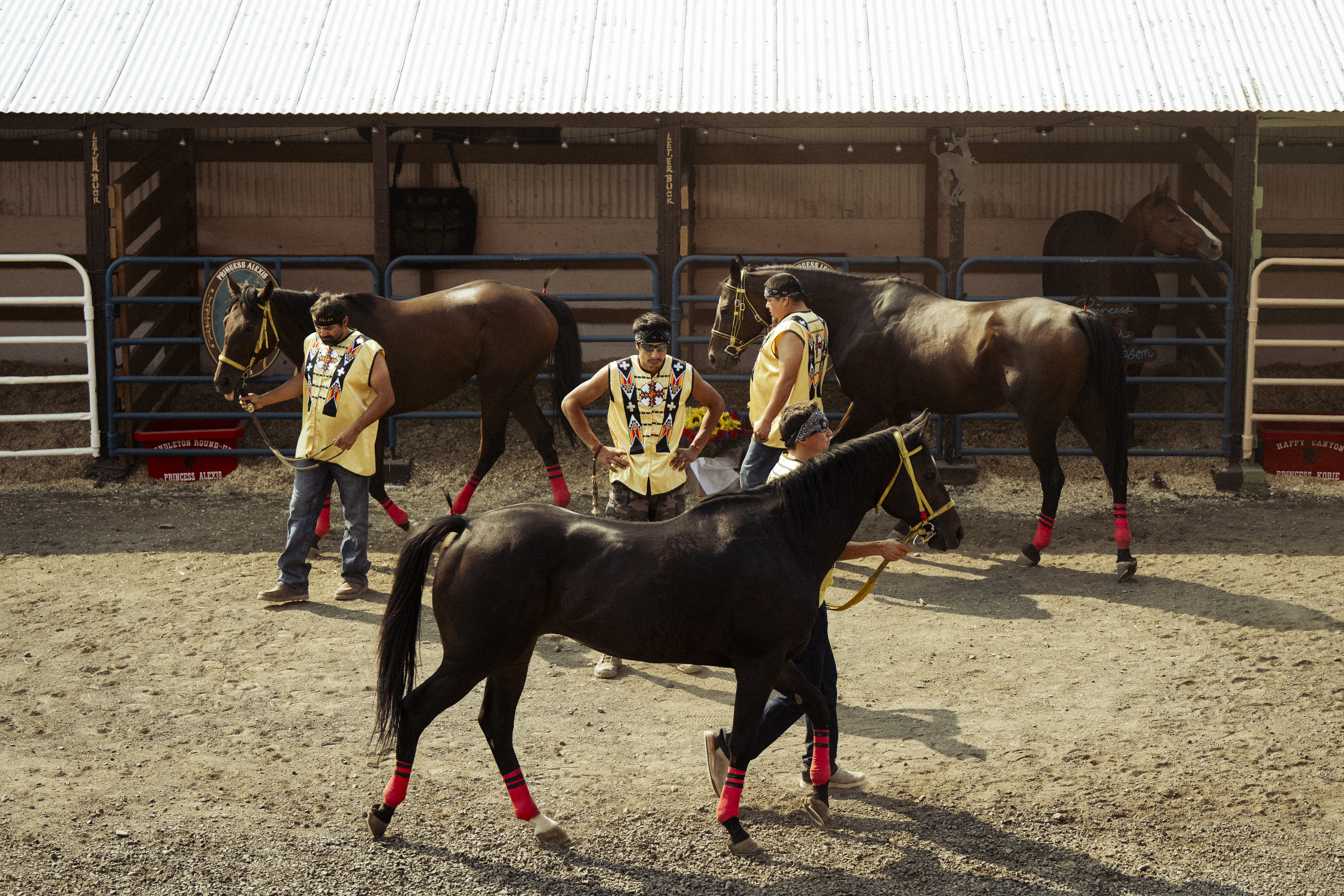
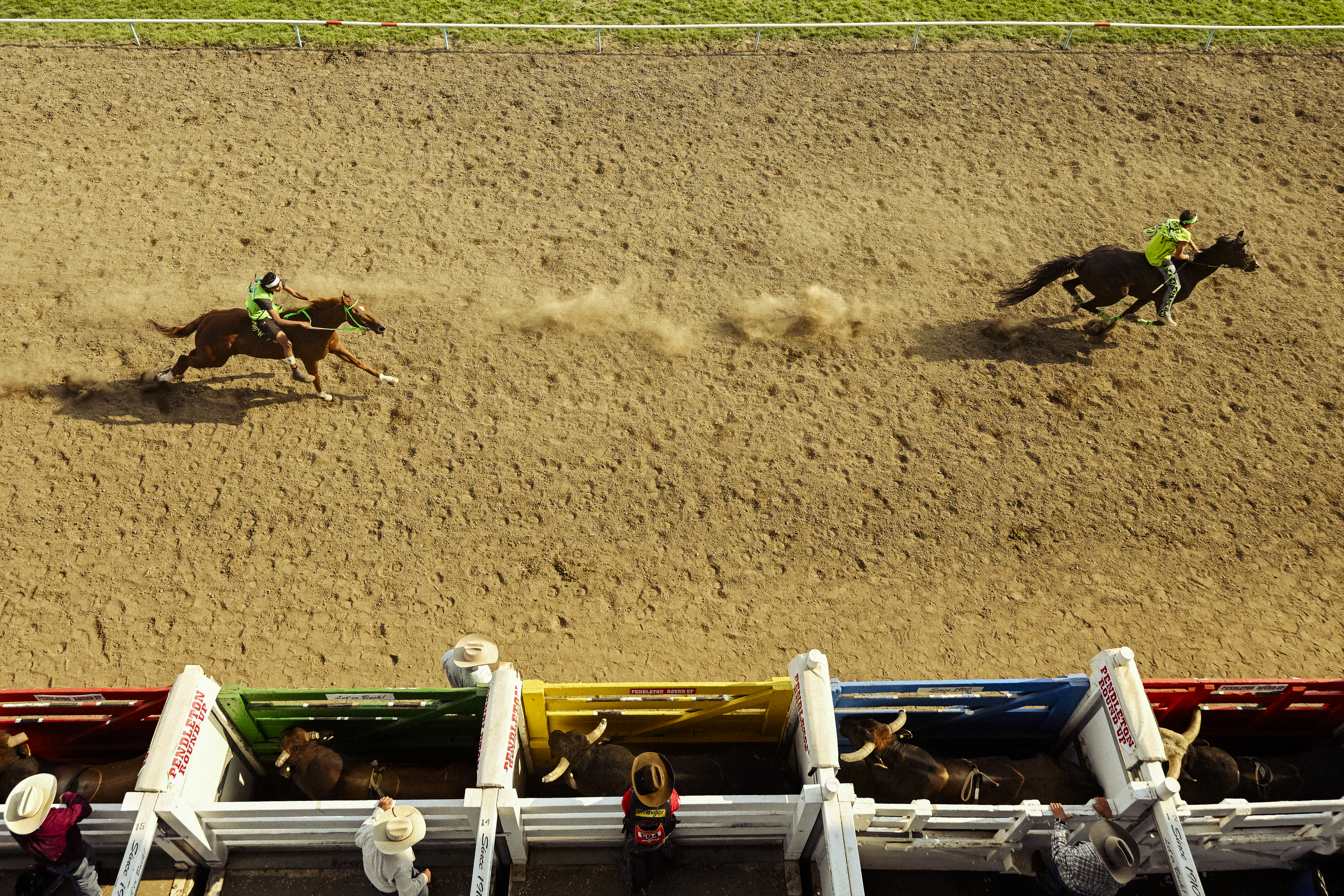
Indian Relay is the most exciting event you will see at a rodeo. Simply put, it’s a bareback relay horse race. Competitors must show proof of tribal enrollment and all of the team's horses must be Indian owned. Teams are made up of four people (one rider, one mugger, two holders) and three horses, and the race consists of three laps around the quarter-mile track. At the end of each lap the rider must leap off their horse and onto a different horse for the next lap. That’s where the pandemonium happens: holders getting knocked over, catchers getting stepped on and horses racing off with no riders. It’s exhilarating, it’s dangerous, it’s technically demanding, and when a transition is executed flawlessly, the roar from the grandstands is deafening.
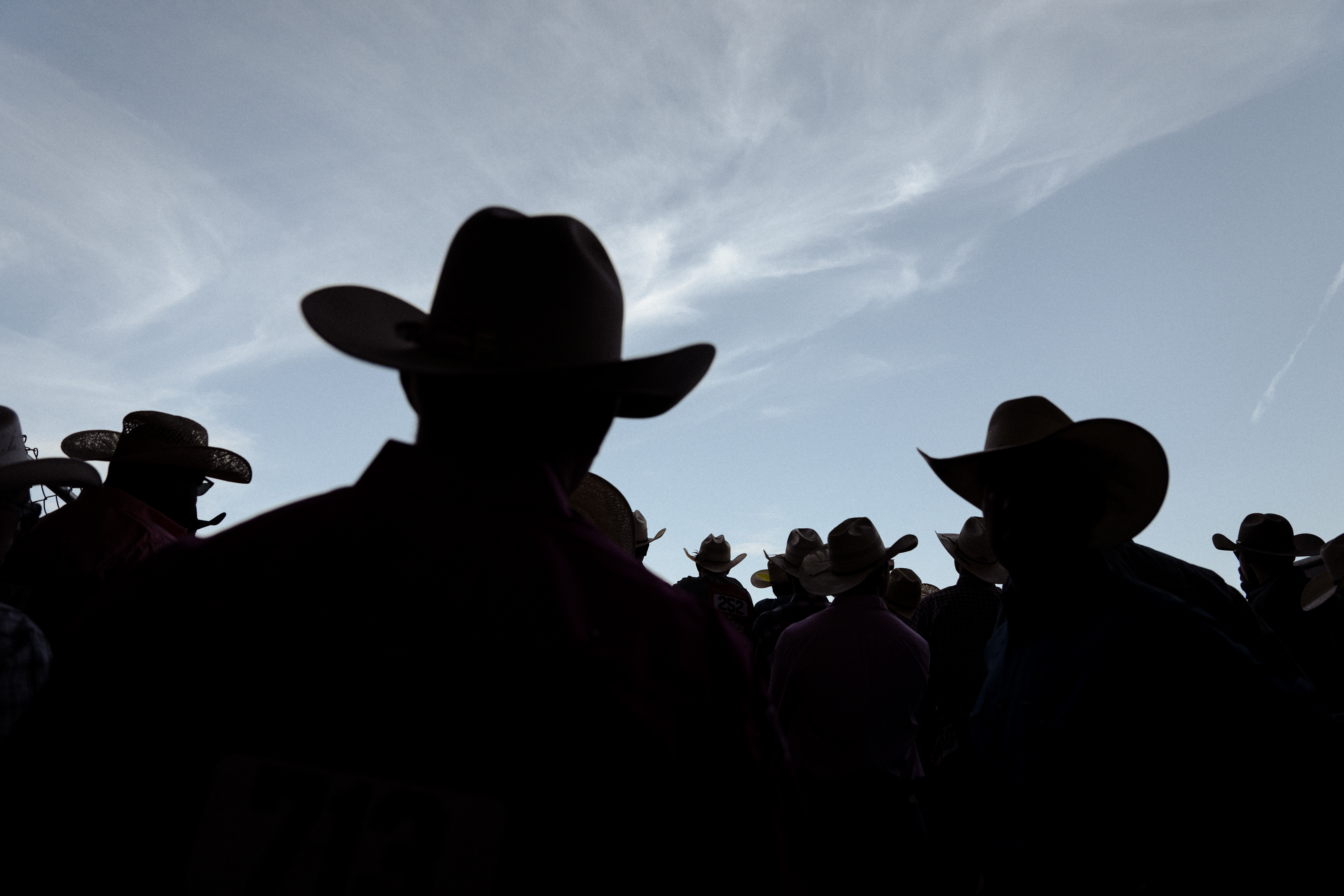
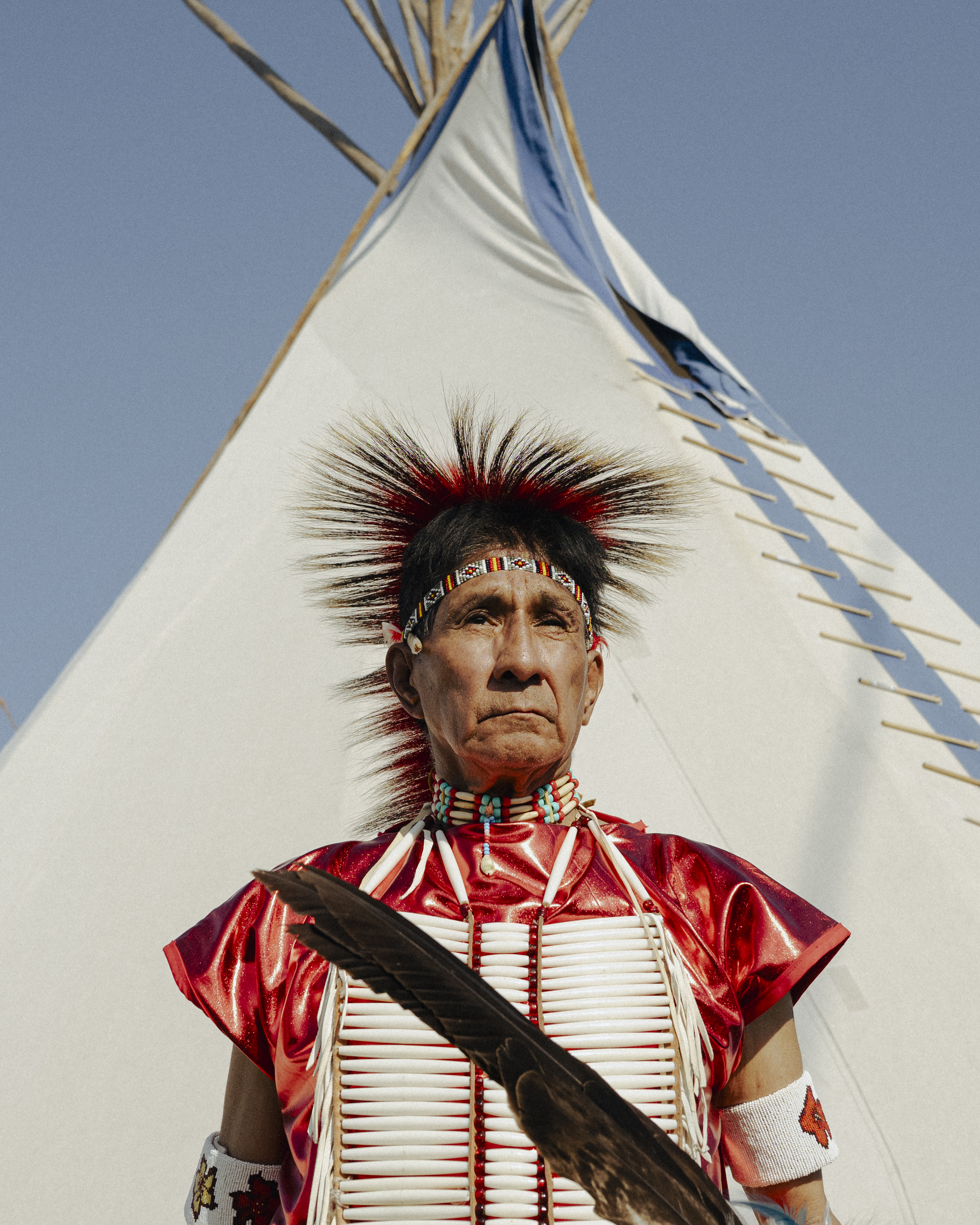
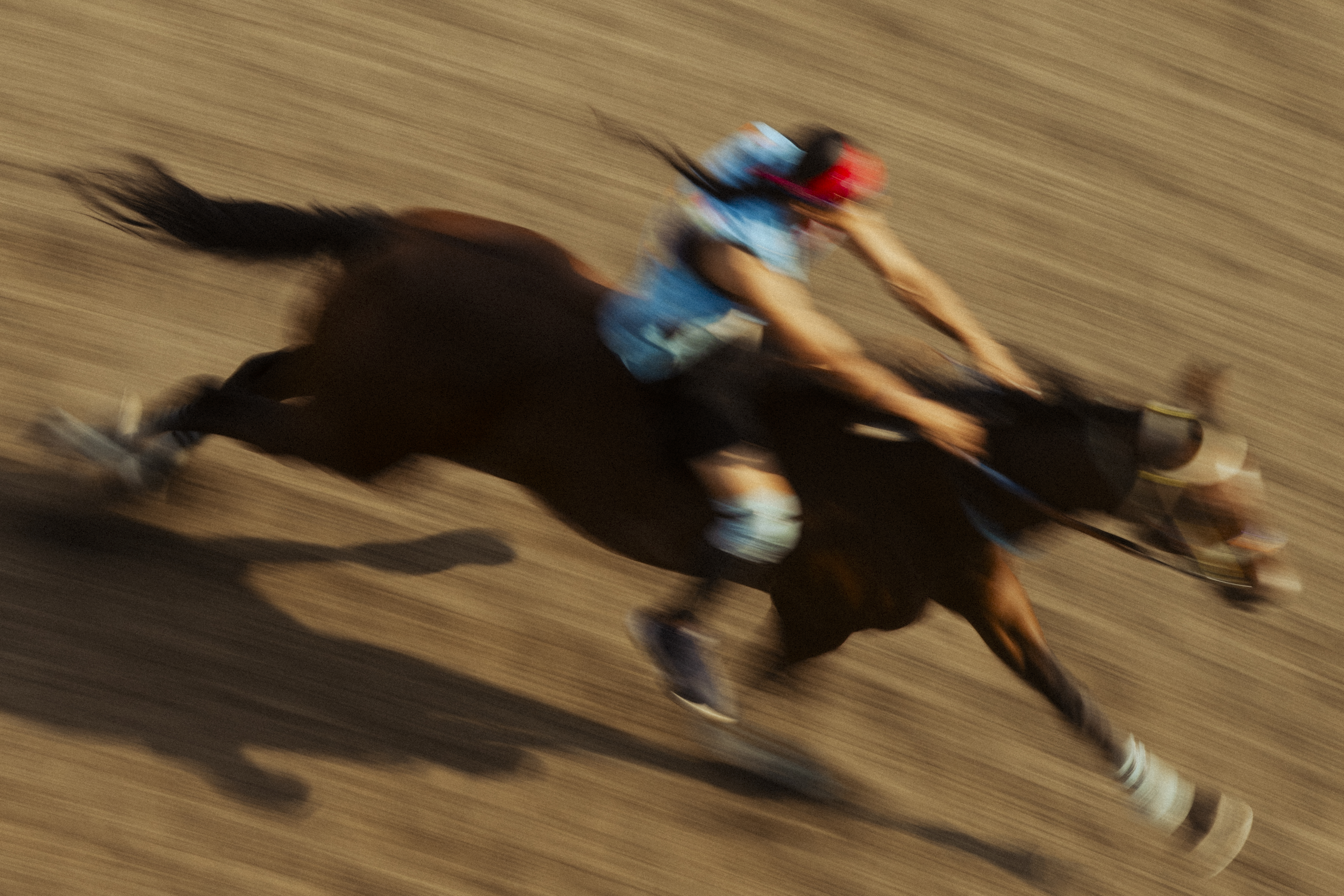
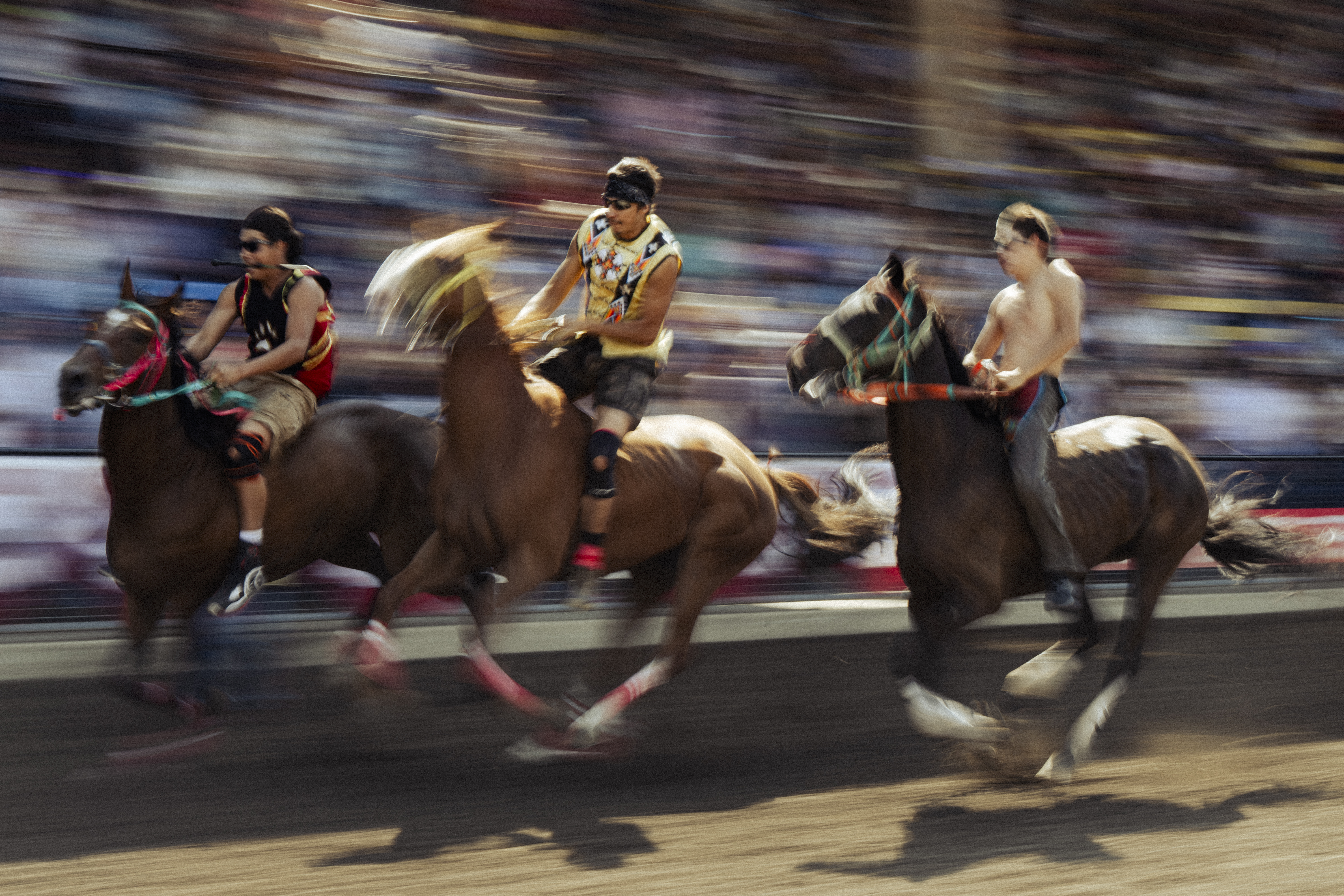
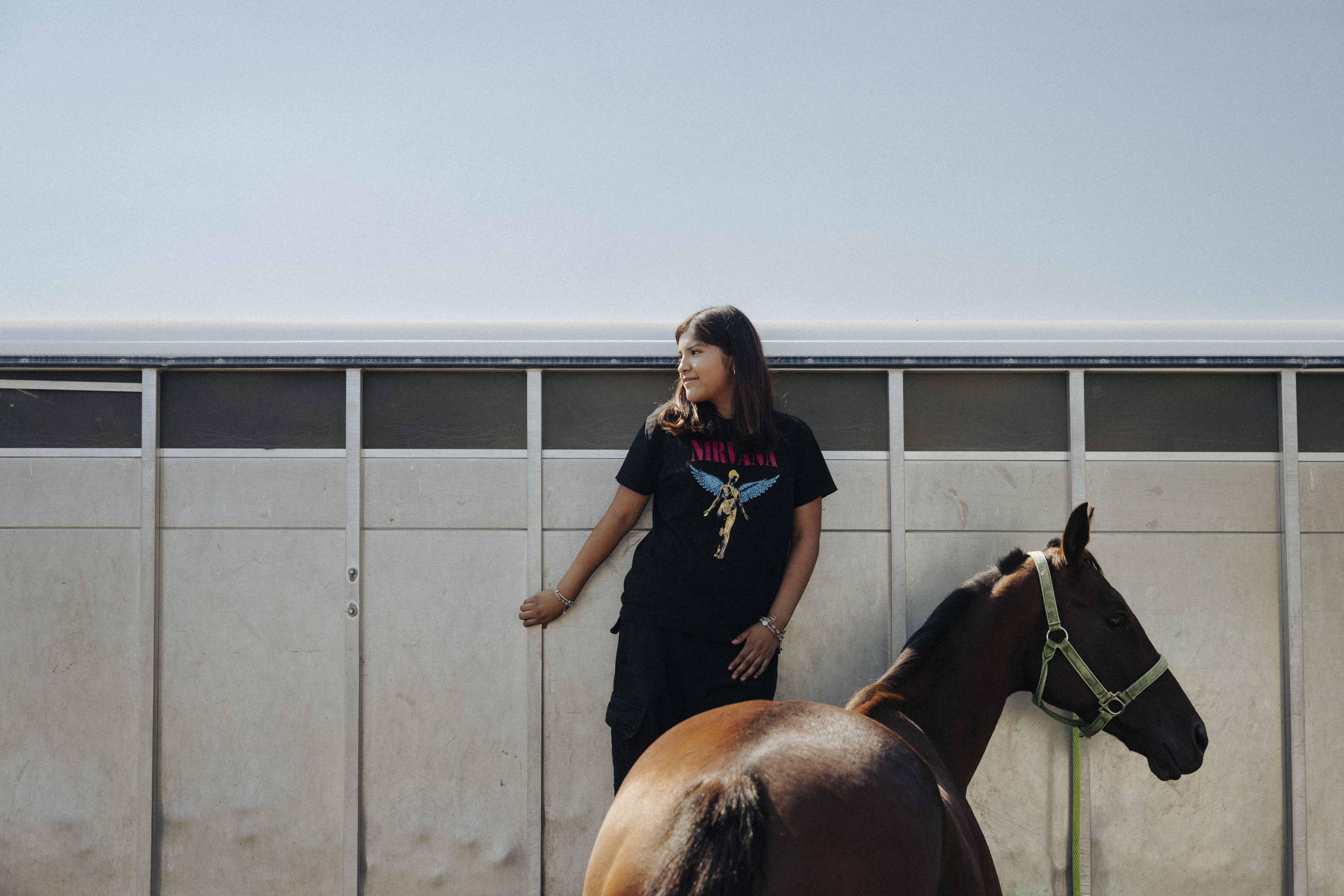
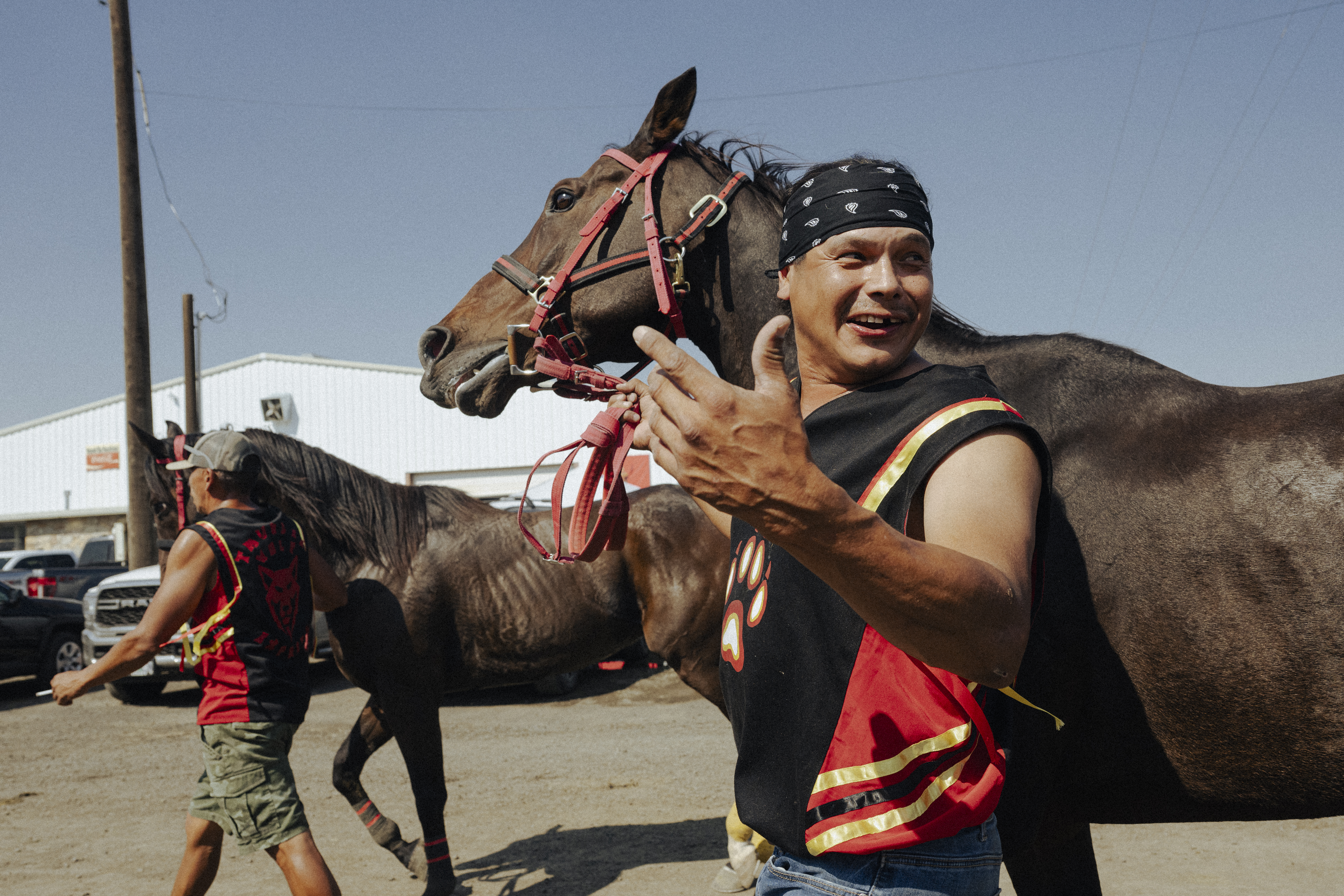
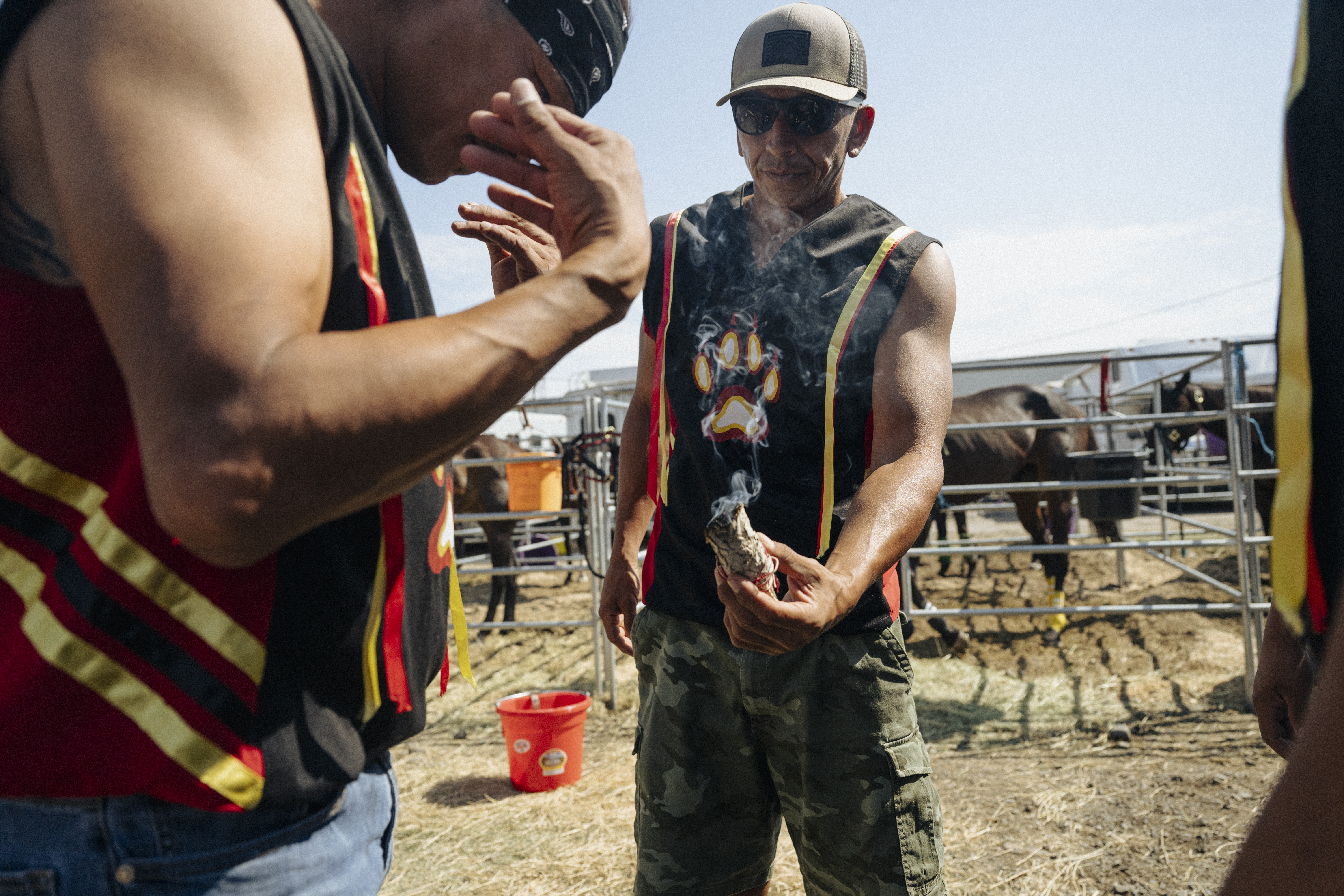
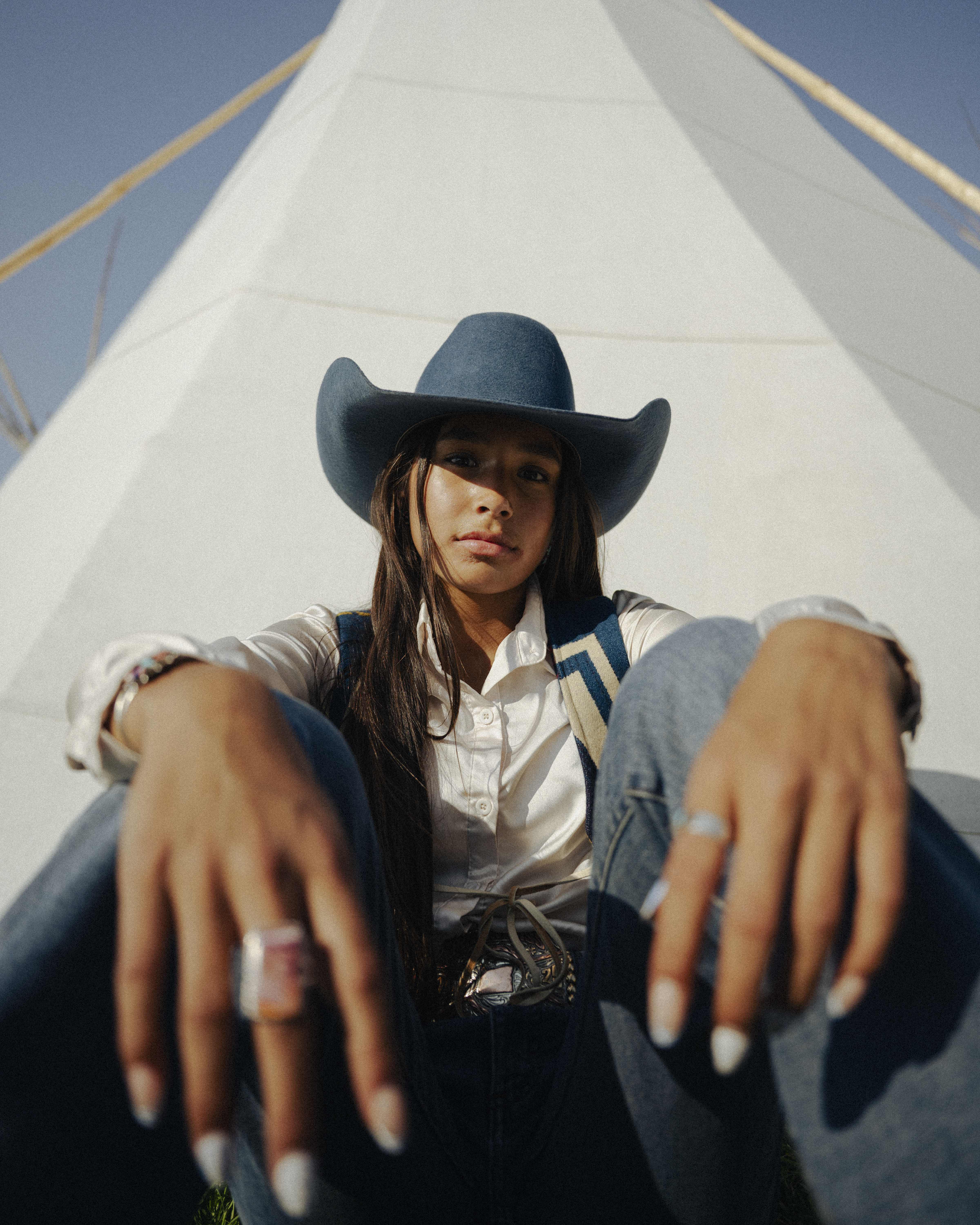
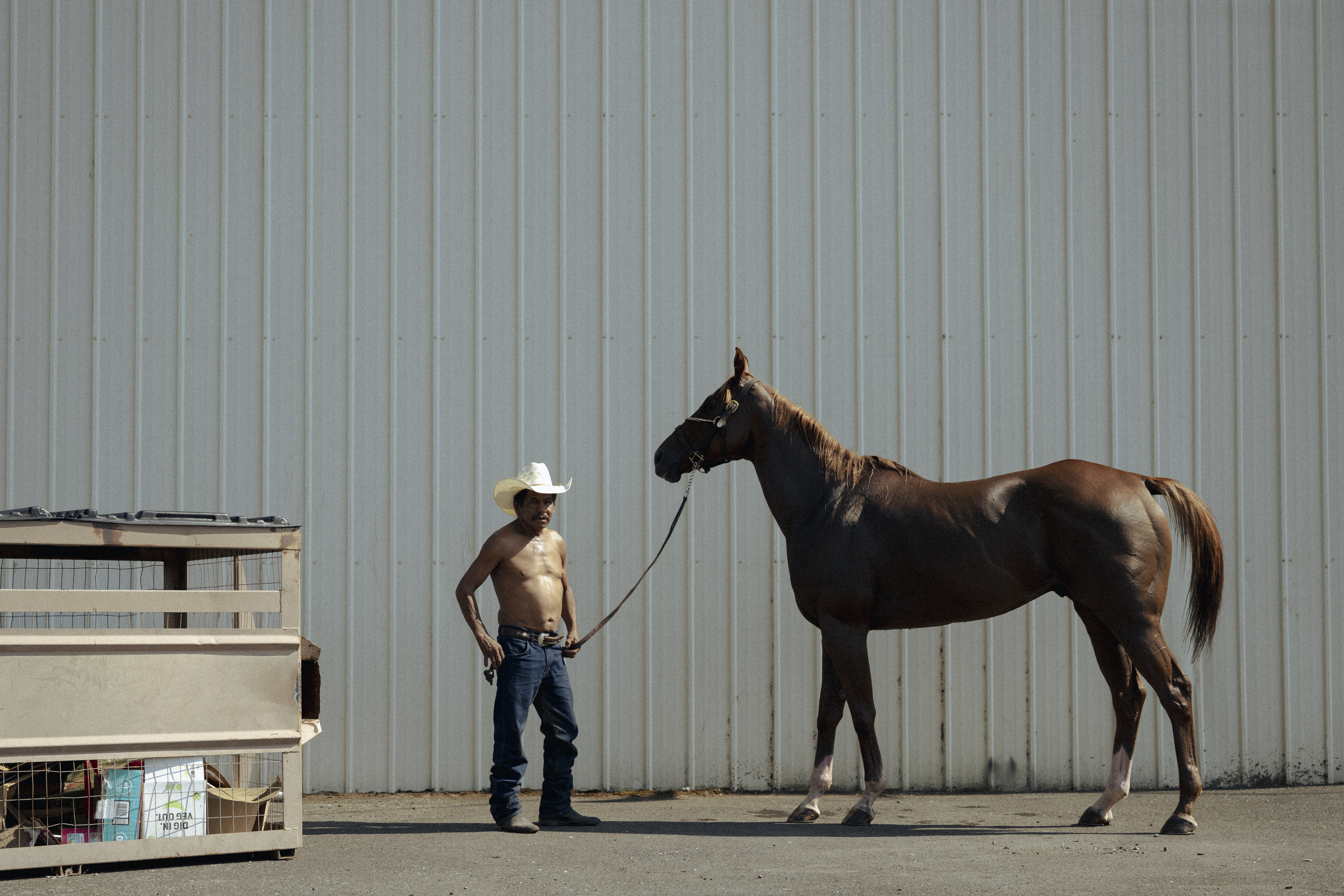
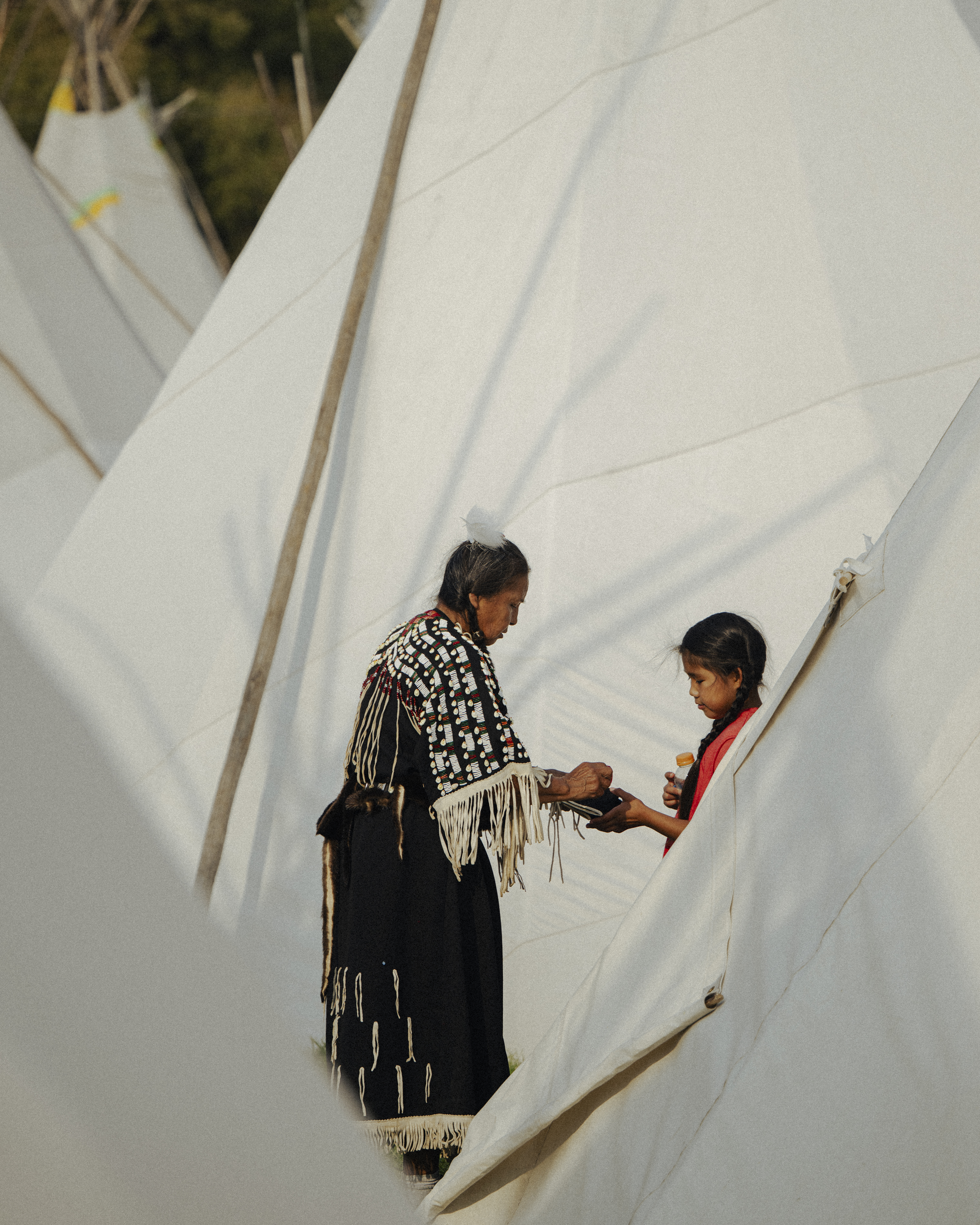
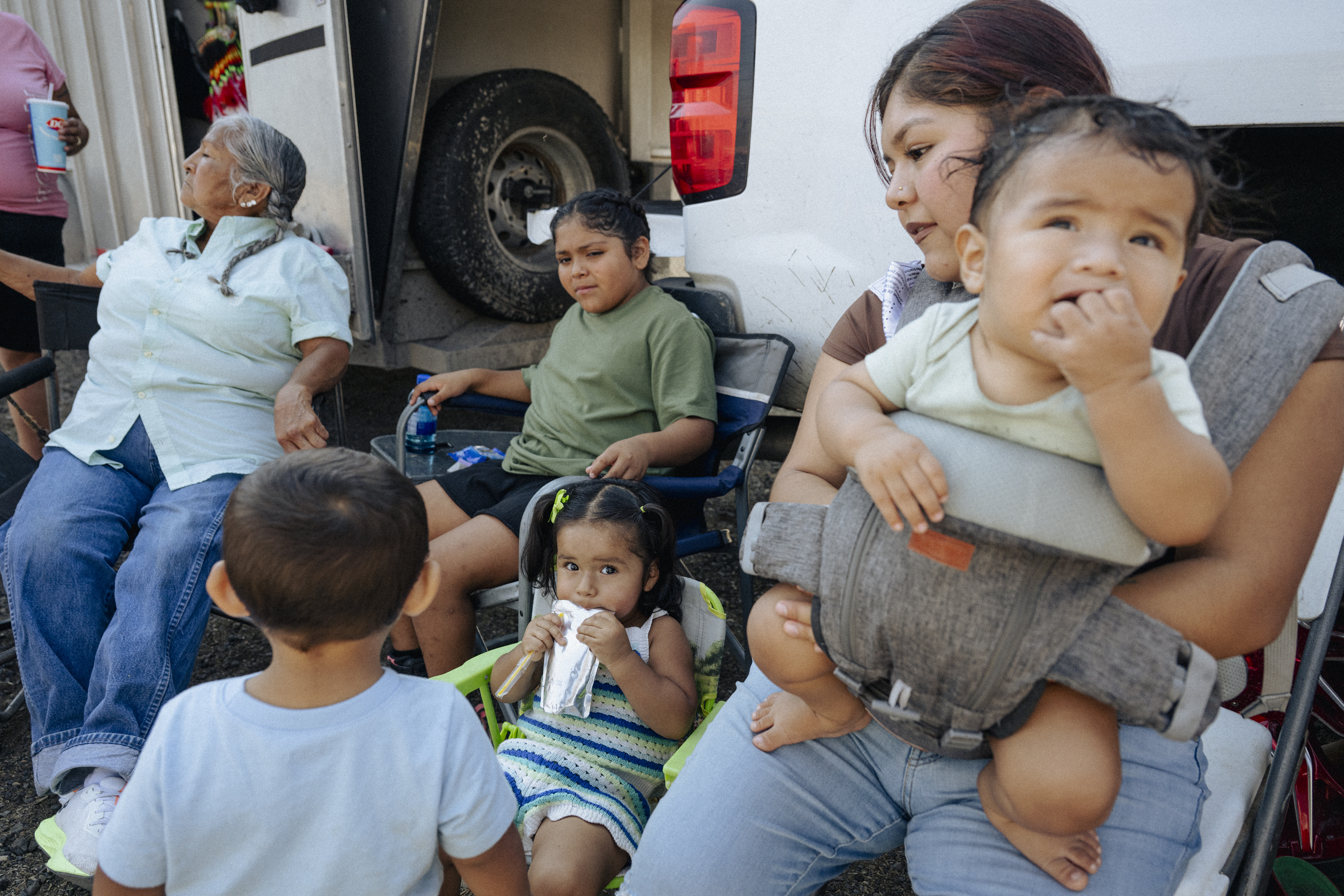
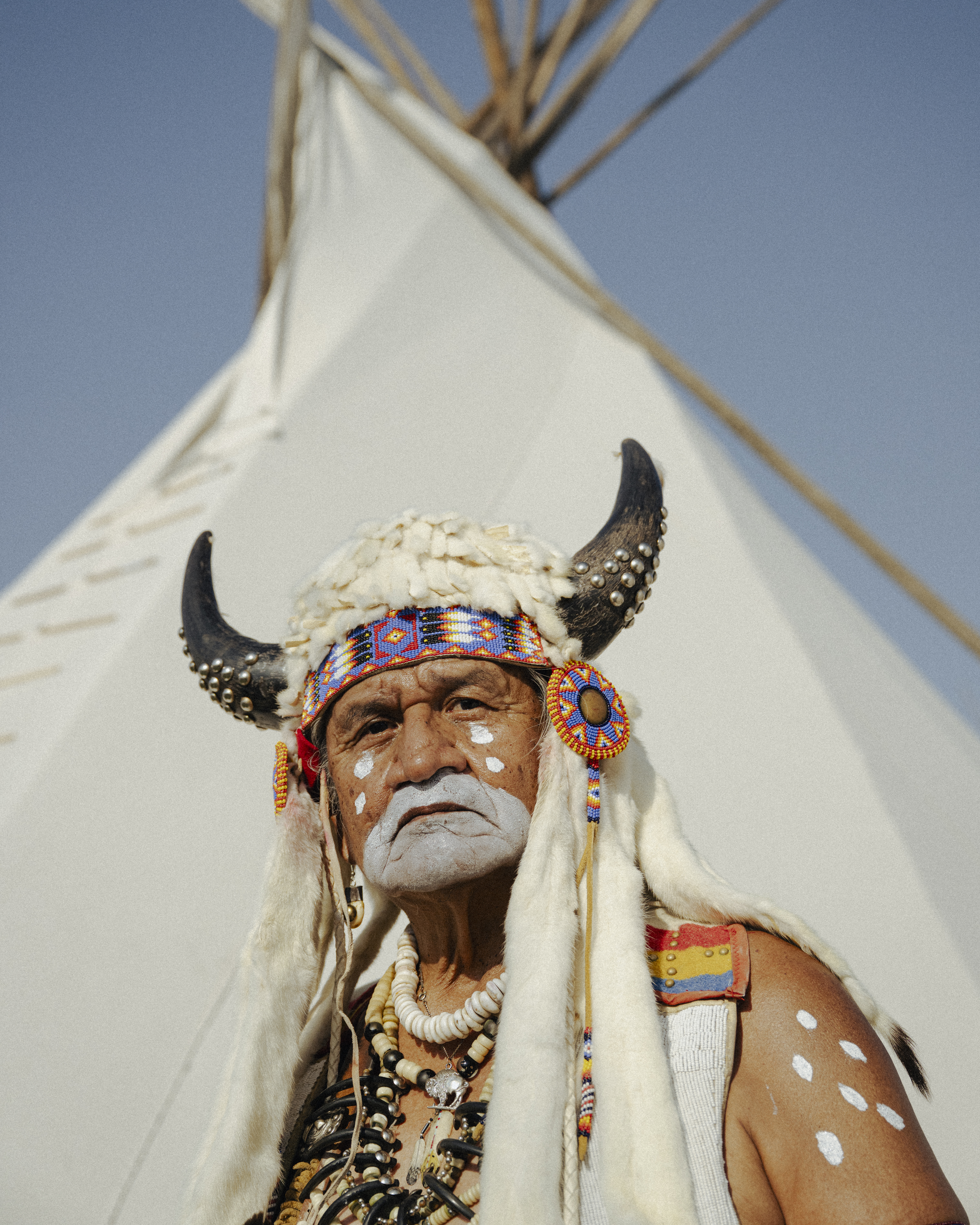
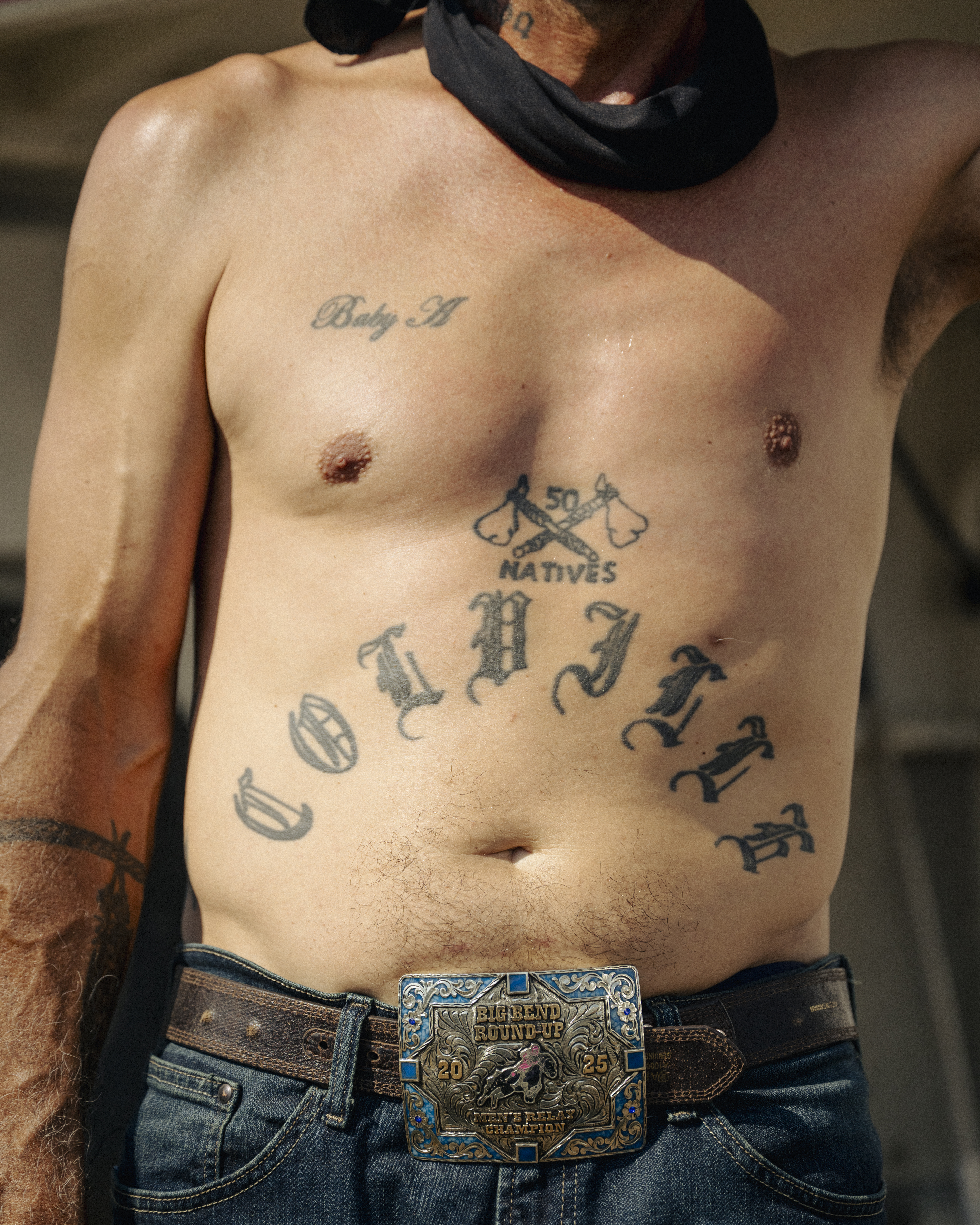
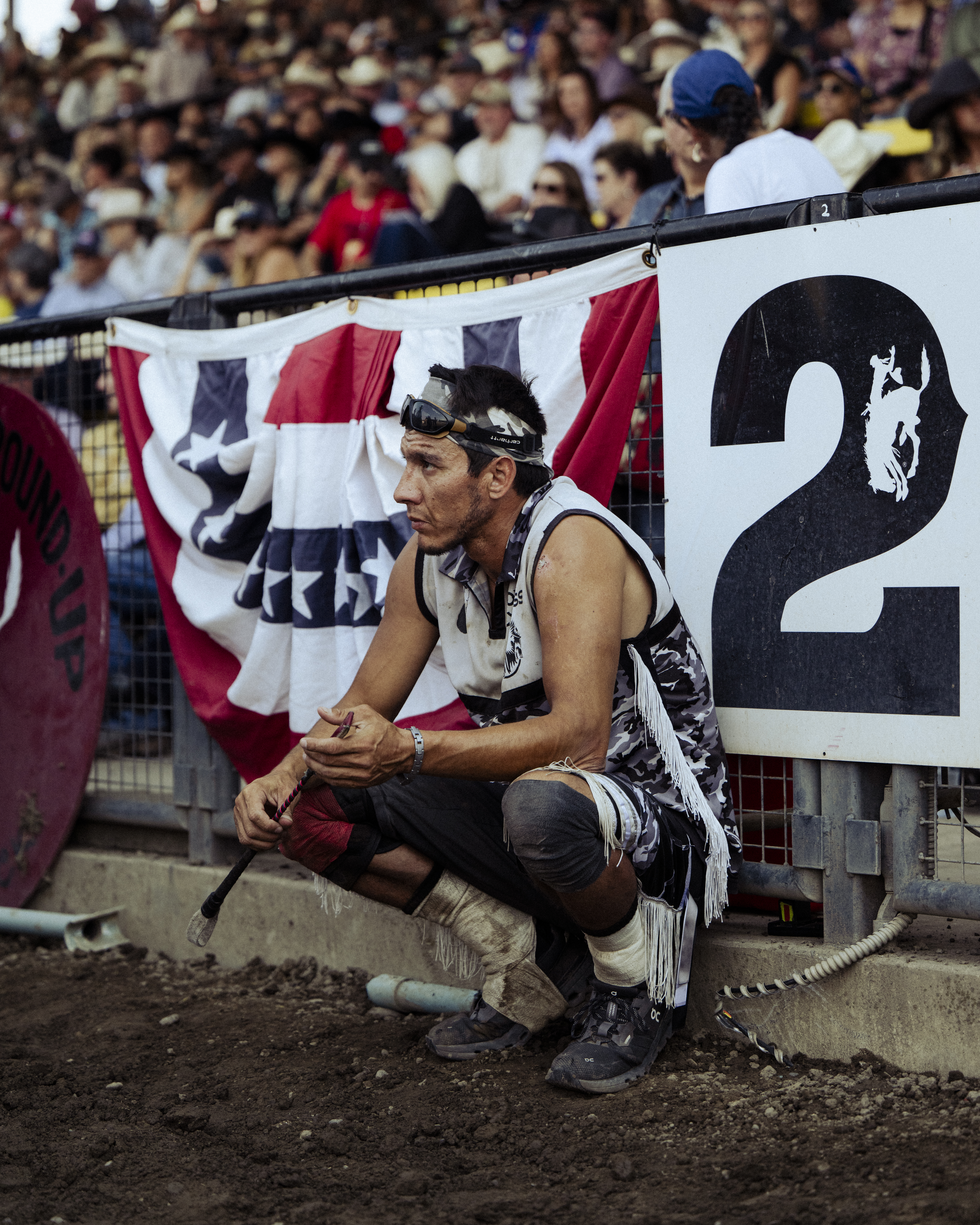
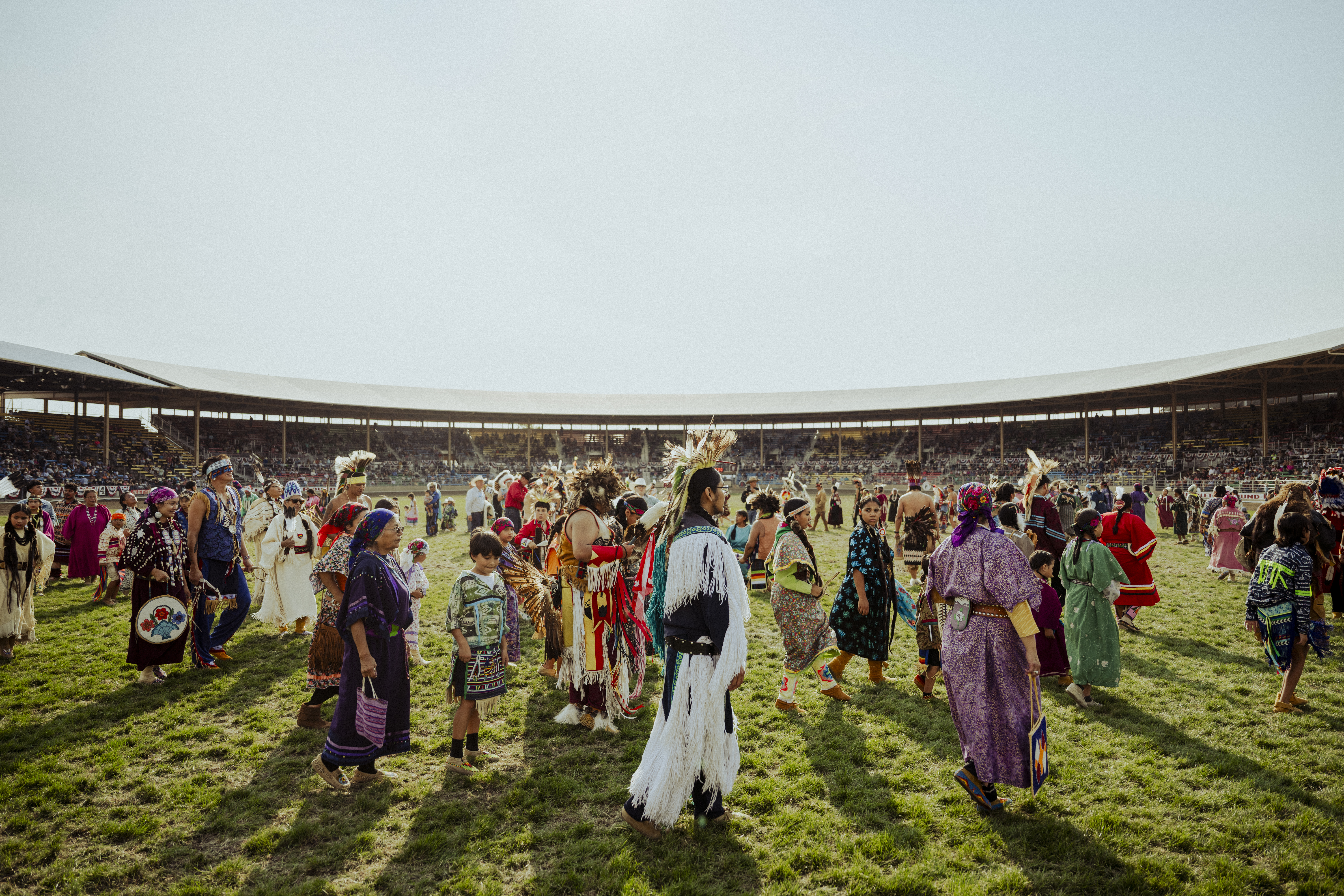
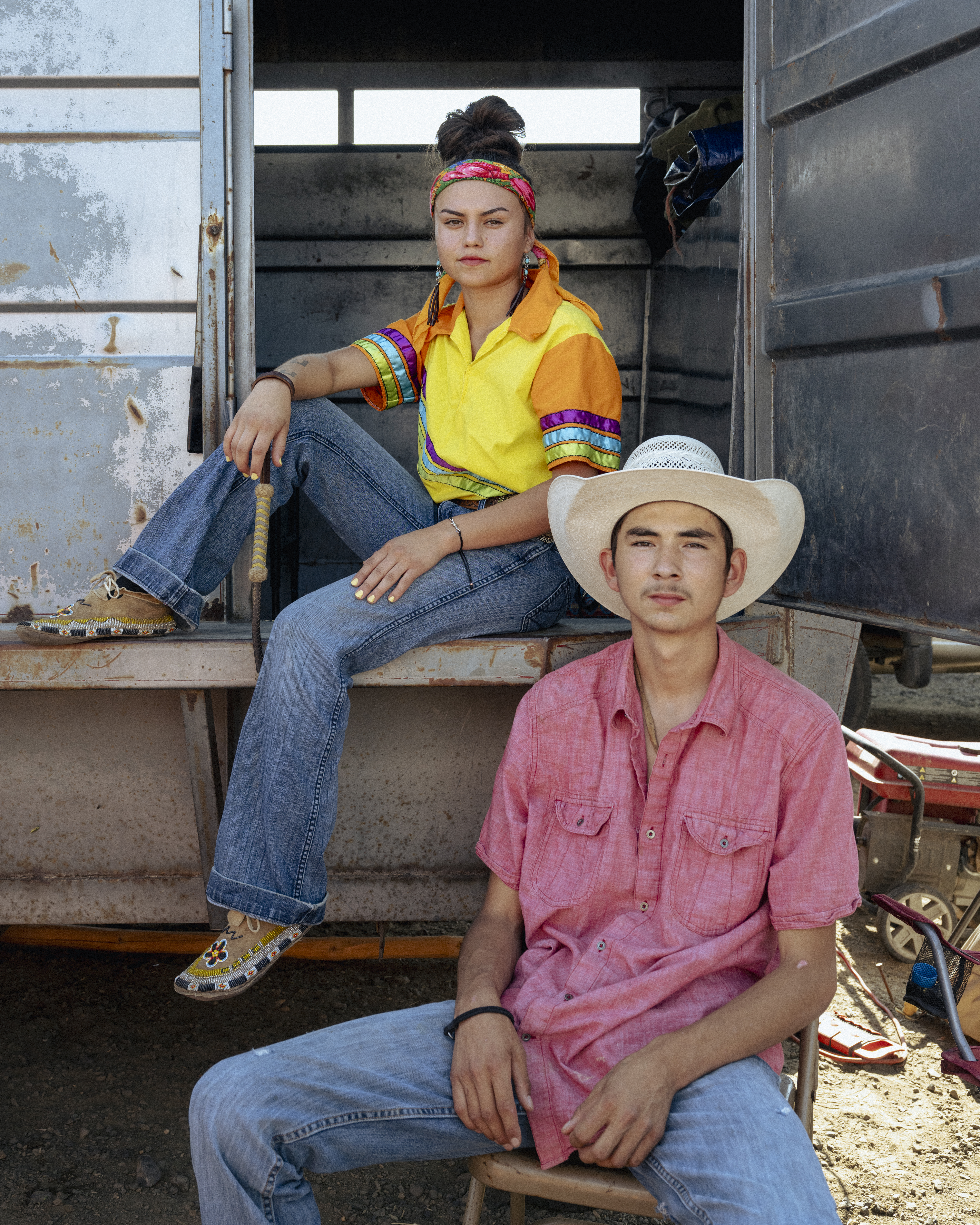
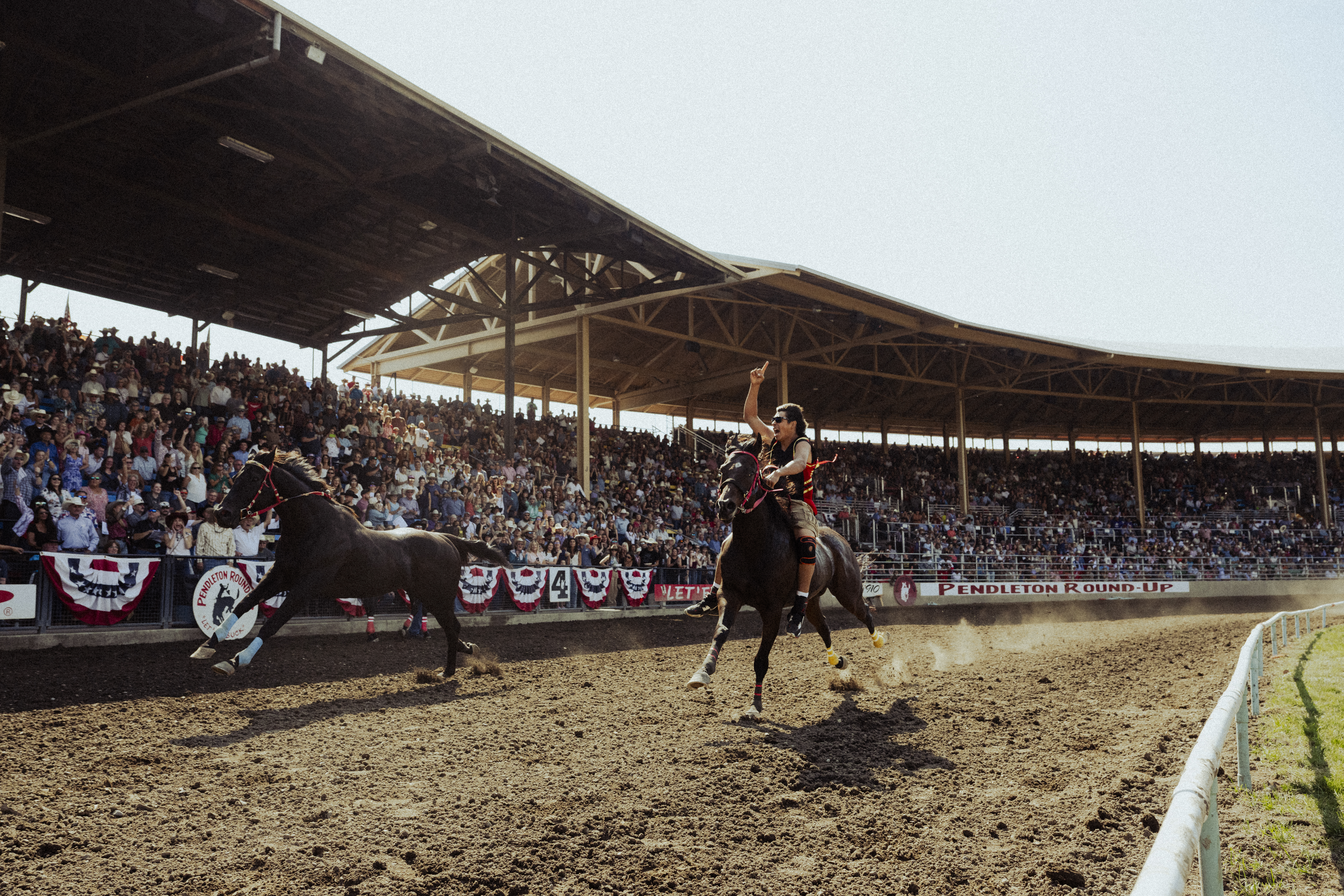
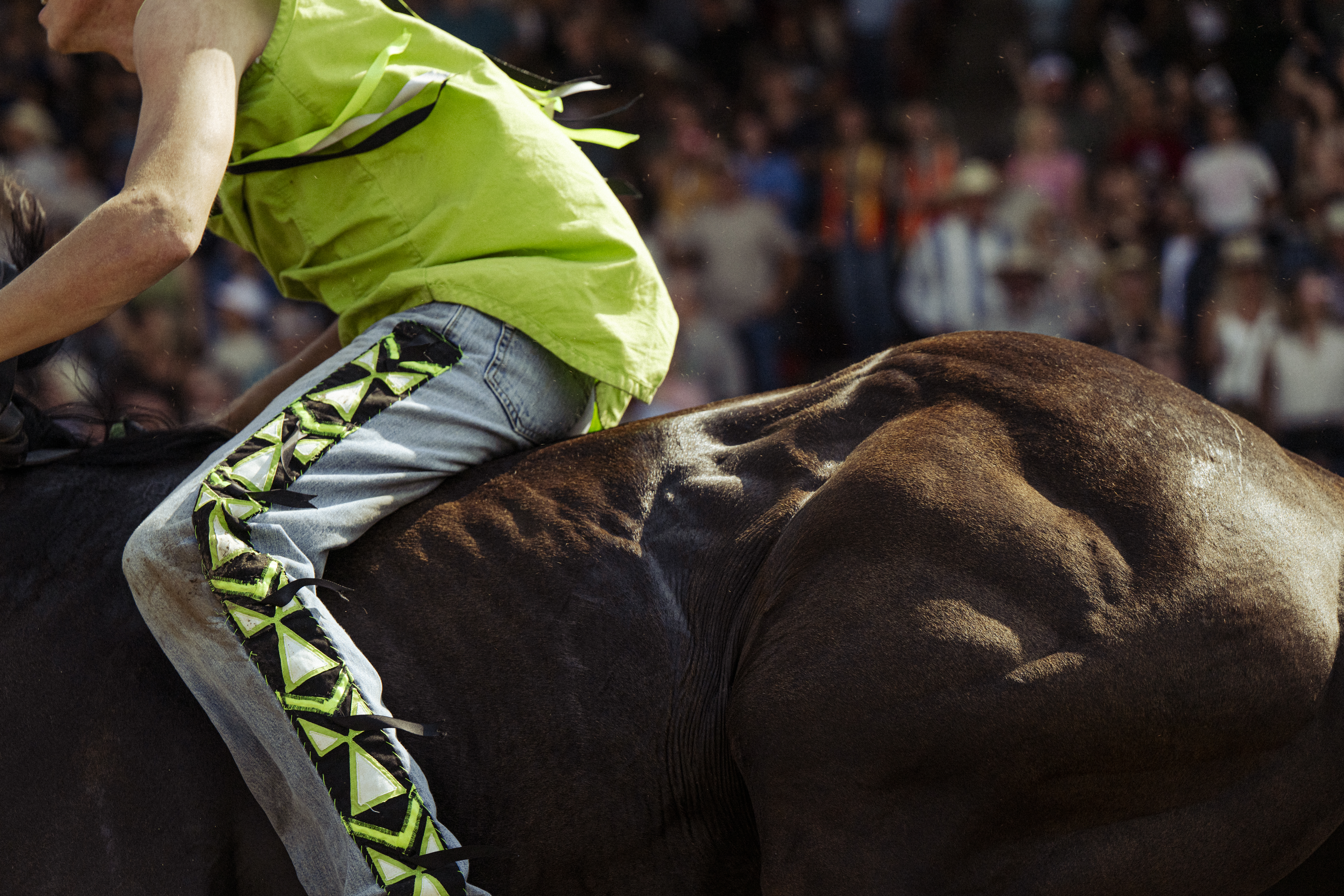
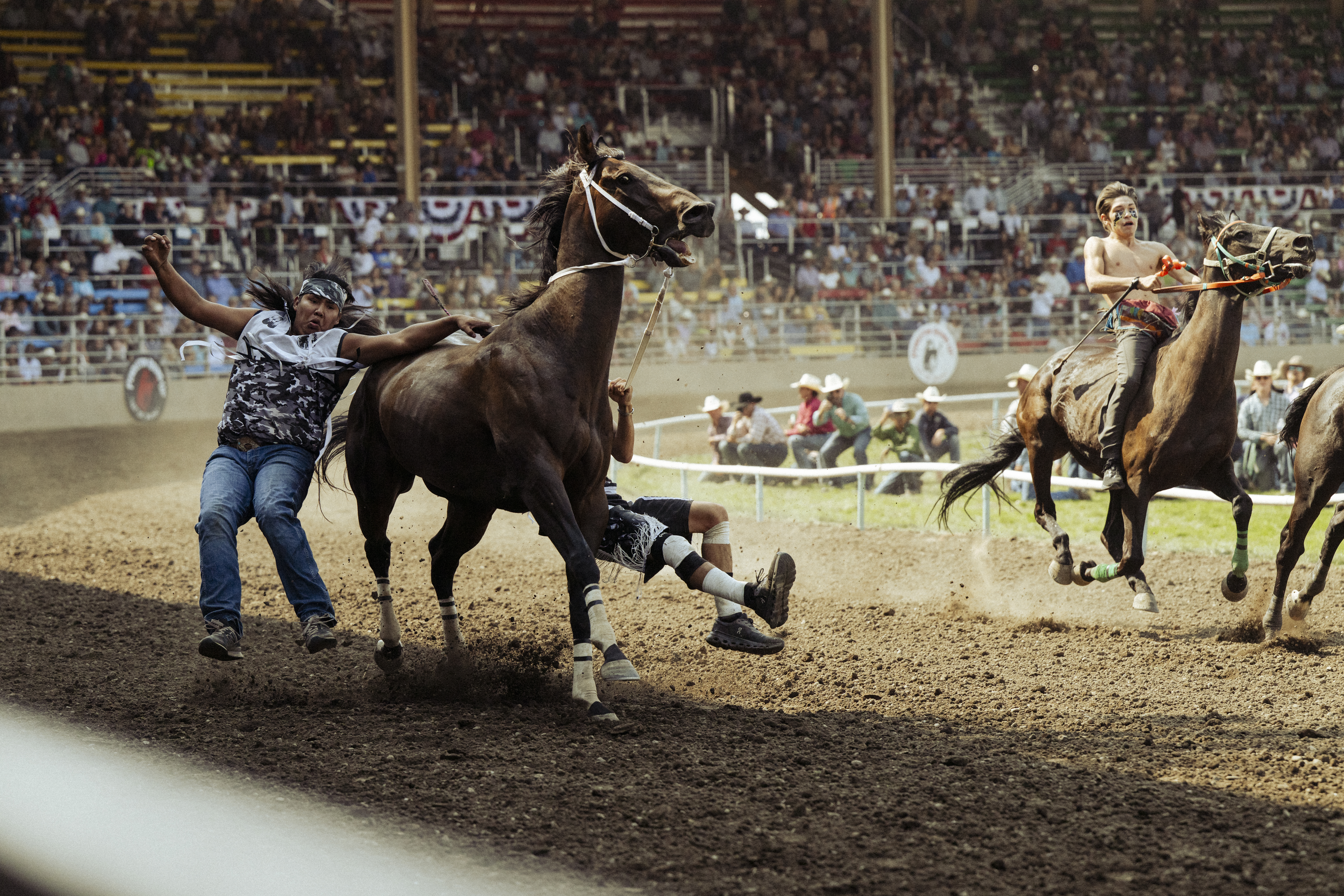
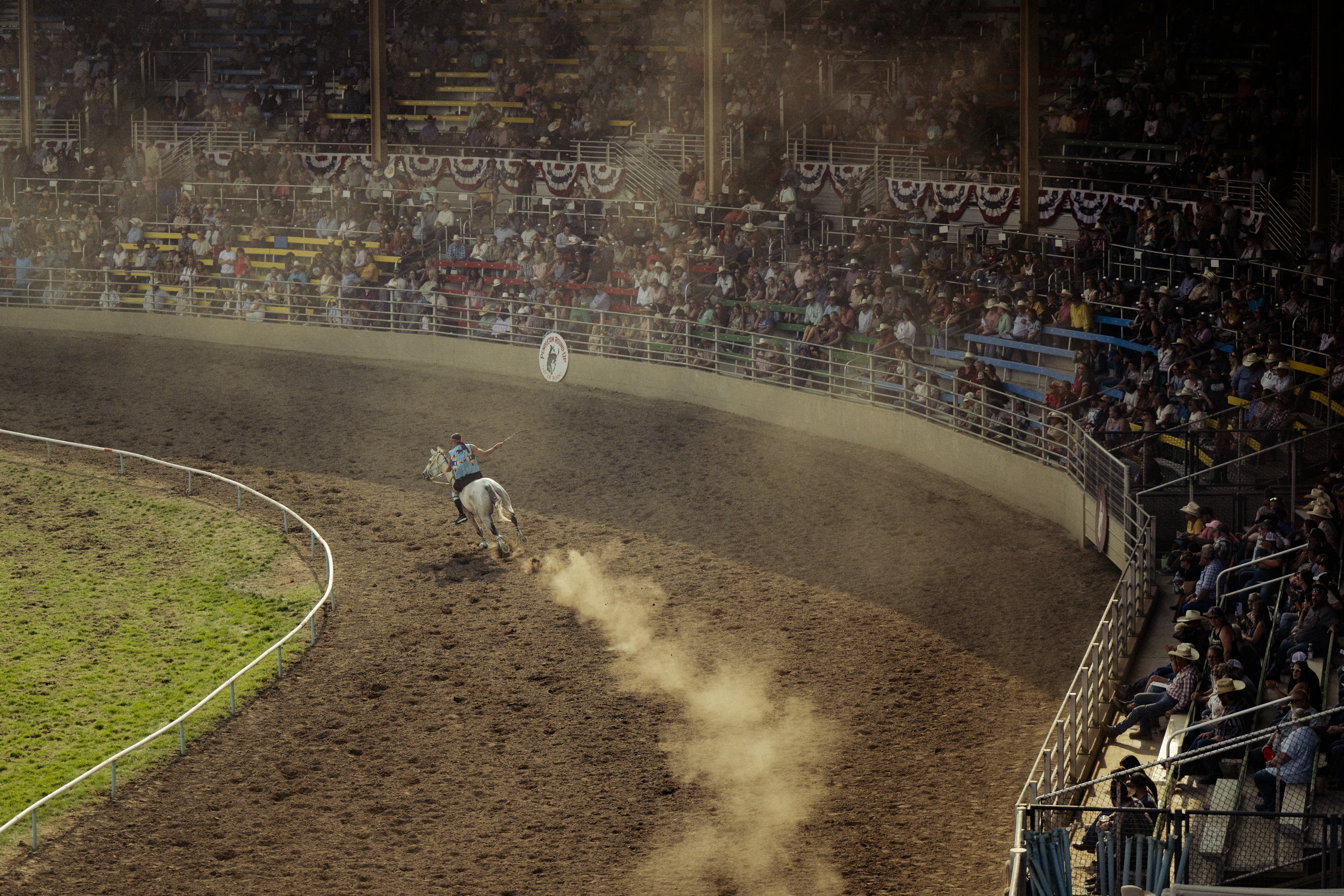
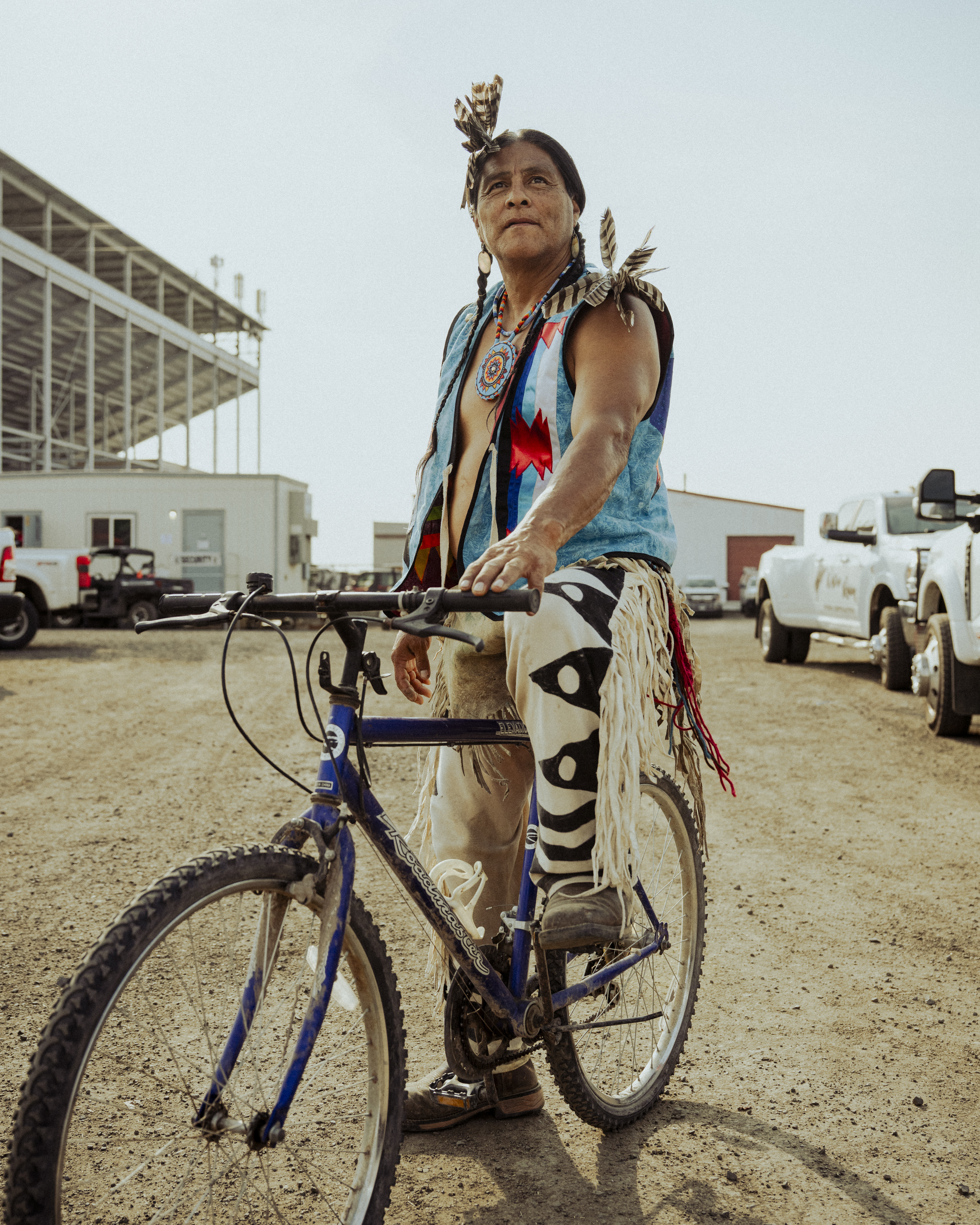
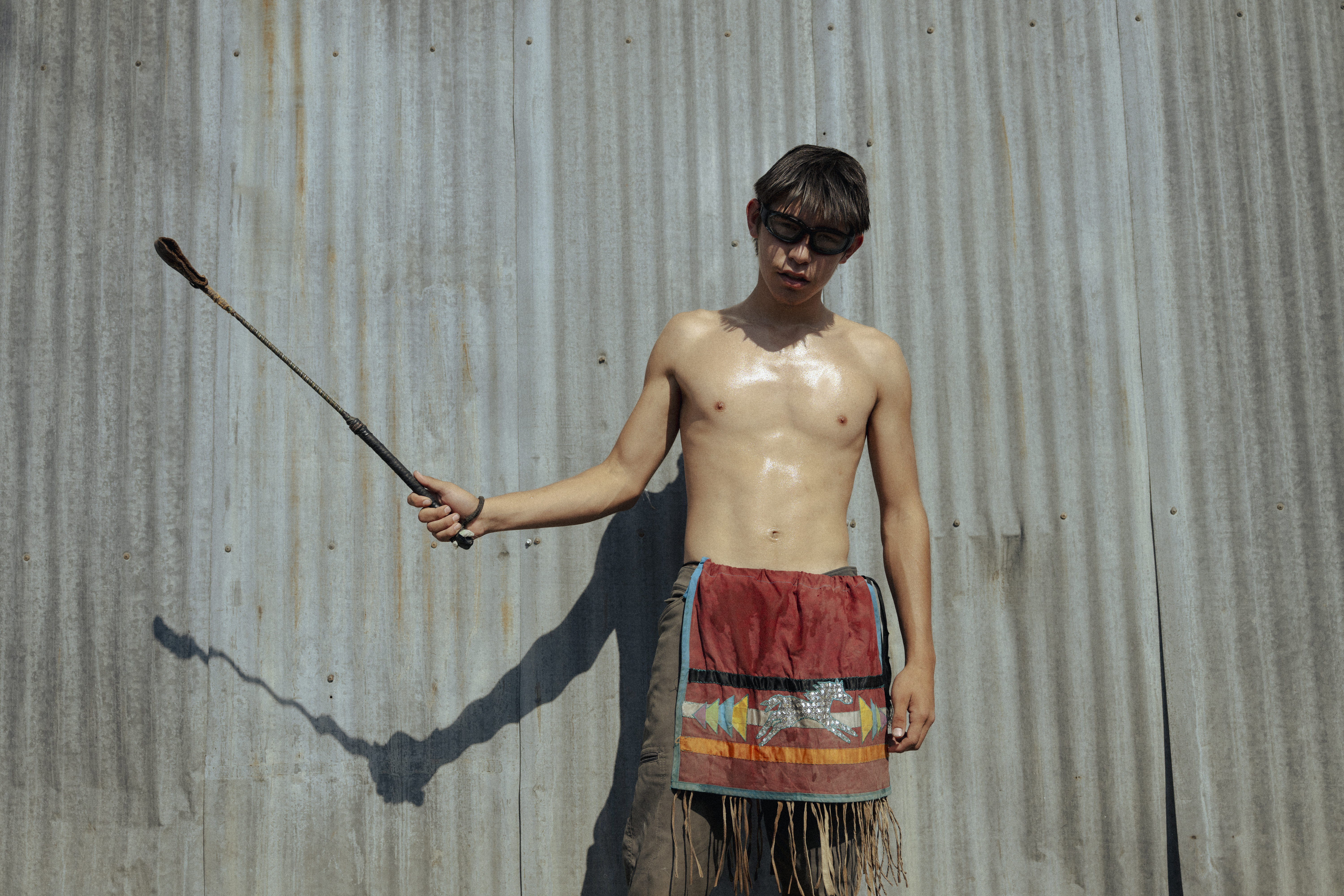
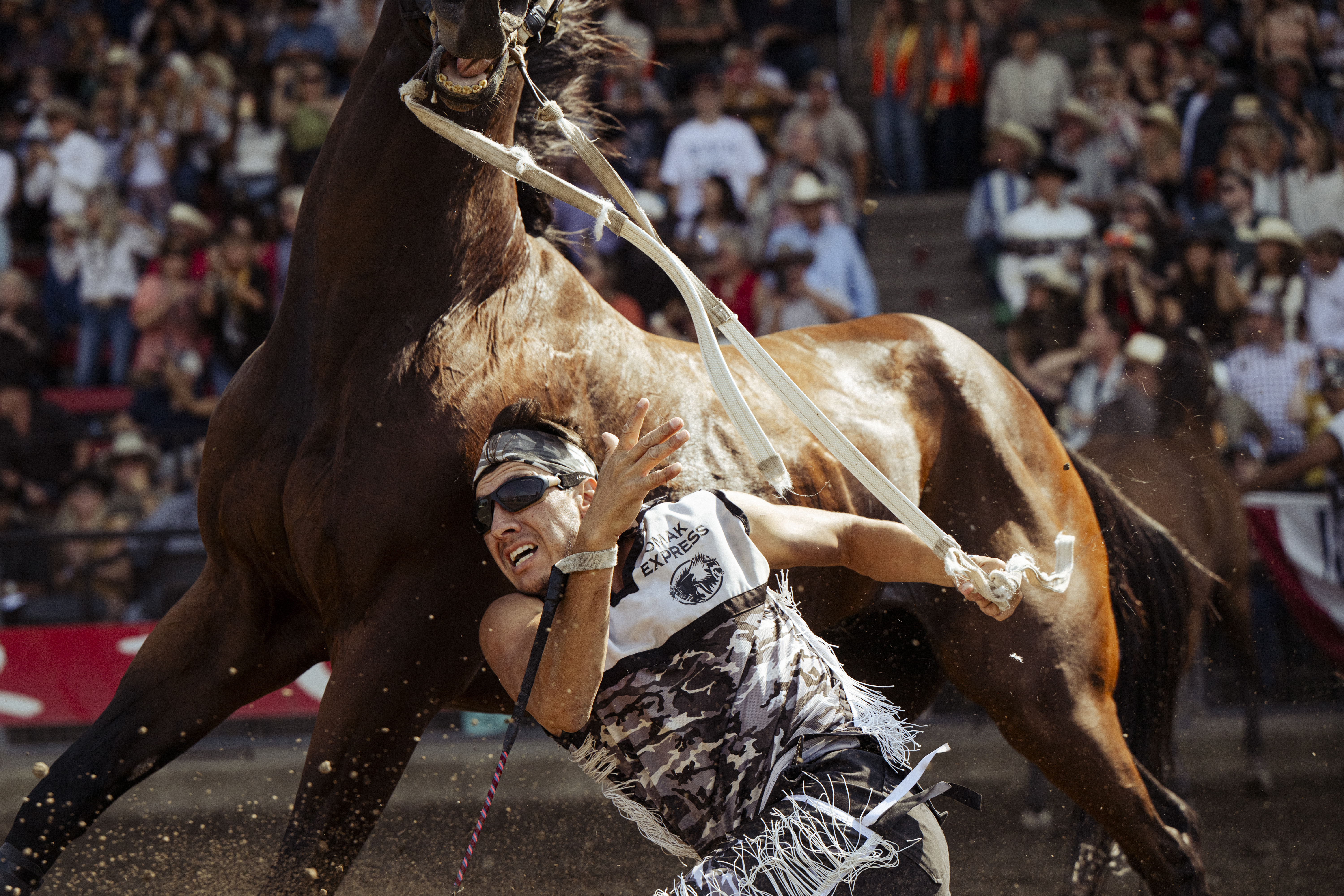
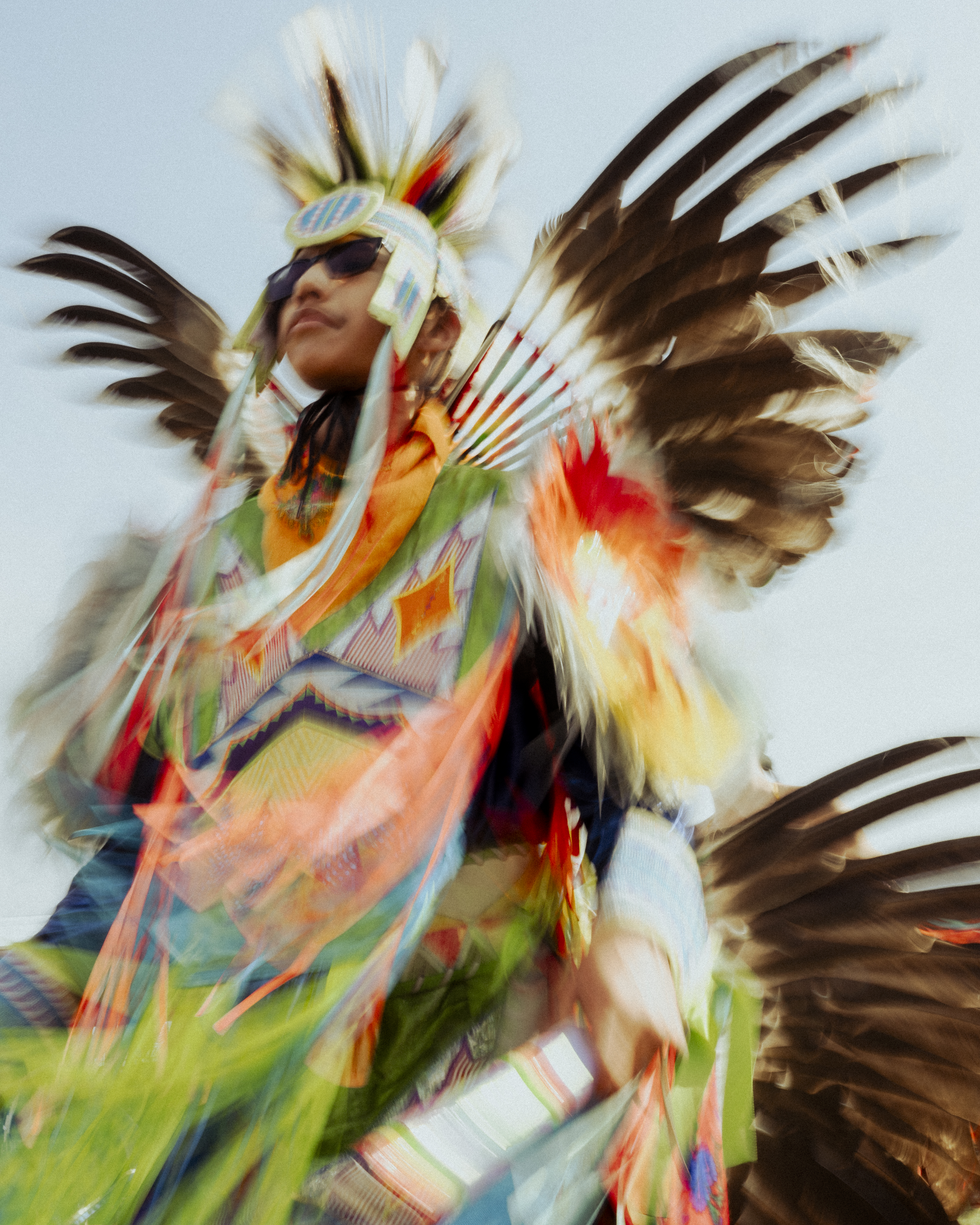
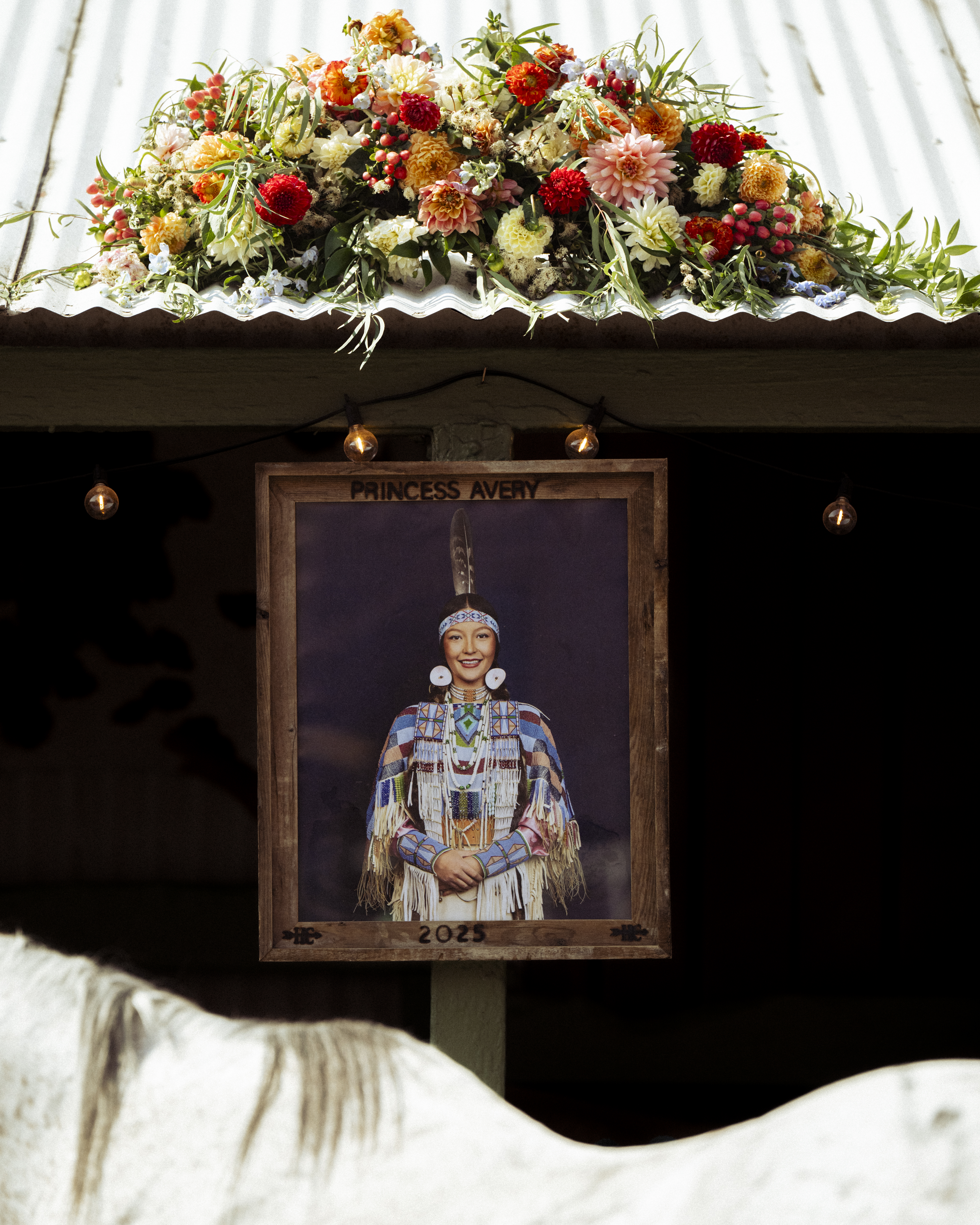
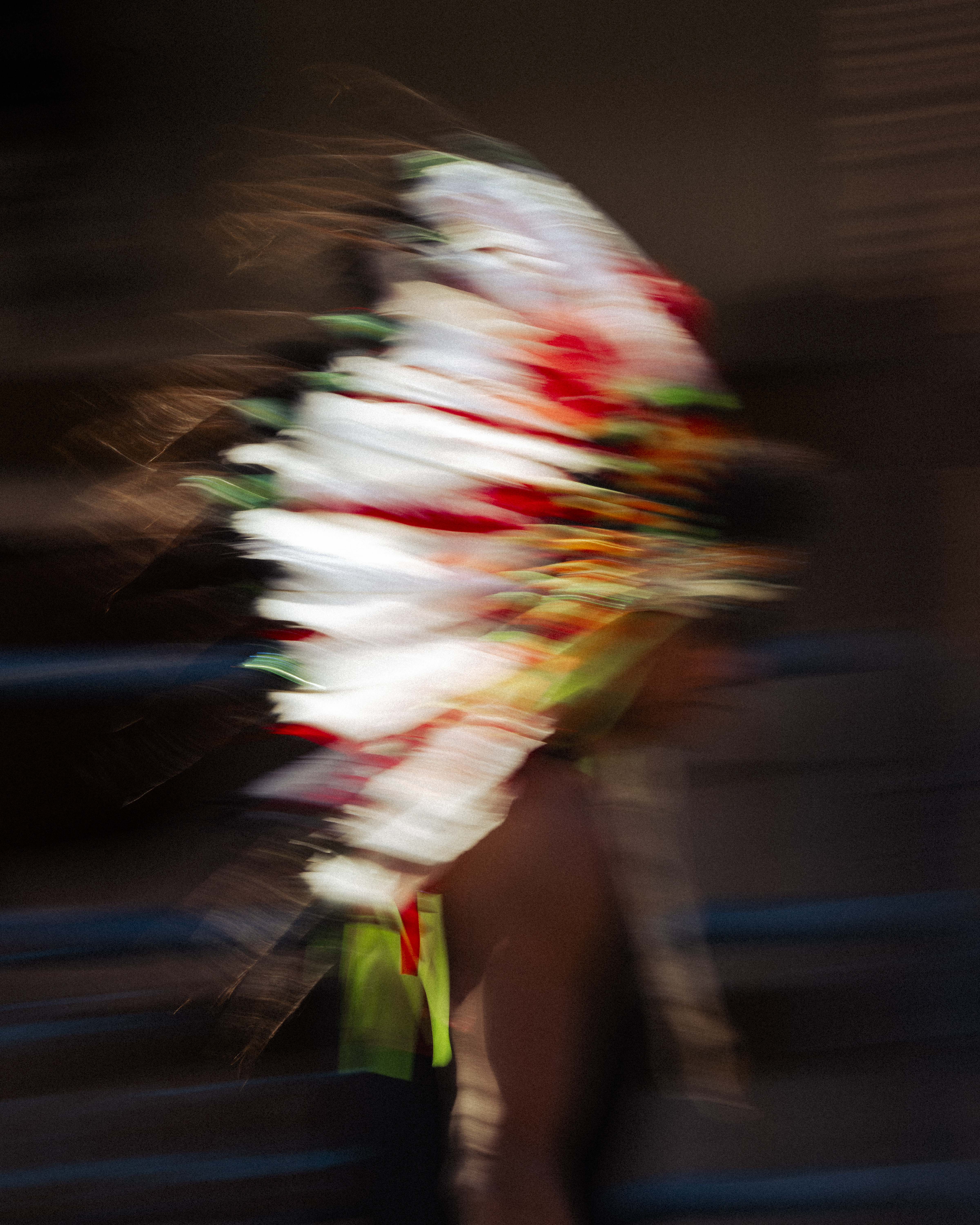
The key to success in Indian Relay is the relationship the athletes have developed with their horses. According to Tiny Williams (a member of Colville Tribe, the owner of Camp Six Relay, and a 43-year Indian Relay veteran), “That’s 90% of your time, training horses.” It’s partly in their blood, but horsemanship is something that every athlete on the track takes pride in. It’s also a way of respecting the culture and heritage of their Tribes. “For us Native American people, not just the Colville Tribe, but every tribe, we are people of the horse, so now we’ve got to go out and prove it, be the best horseman we can be,” says Williams.
At the Pendleton Round-Up, held last month in Eastern Oregon, that connection with the horse was echoed by the youngest rider on the track, 14-year-old Kamiuse Pakootas. “When I’m feeling down, I go jump on my horse, talk to them. They talk to me in a way. And you can’t hear it, but you can feel their feelings too. If you get a connection with the horse, it just makes you feel way better.”
For a handful of the athletes competing at Pendleton, Indian Relay had been passed down in their family, through parents and grandparents who had been part of this Native American tradition. But beyond that, they’re racing for pride, money, glory, and to stay off the streets and out of trouble. “I take care of the youth, that’s what I was taught,” Williams says. “Racing, teaching, keeping them busy, that’s what we do, so they don’t have to rely on alcohol to go have fun. I haven’t had a drink in 24 years and if I can teach them that, then my people are getting better.”
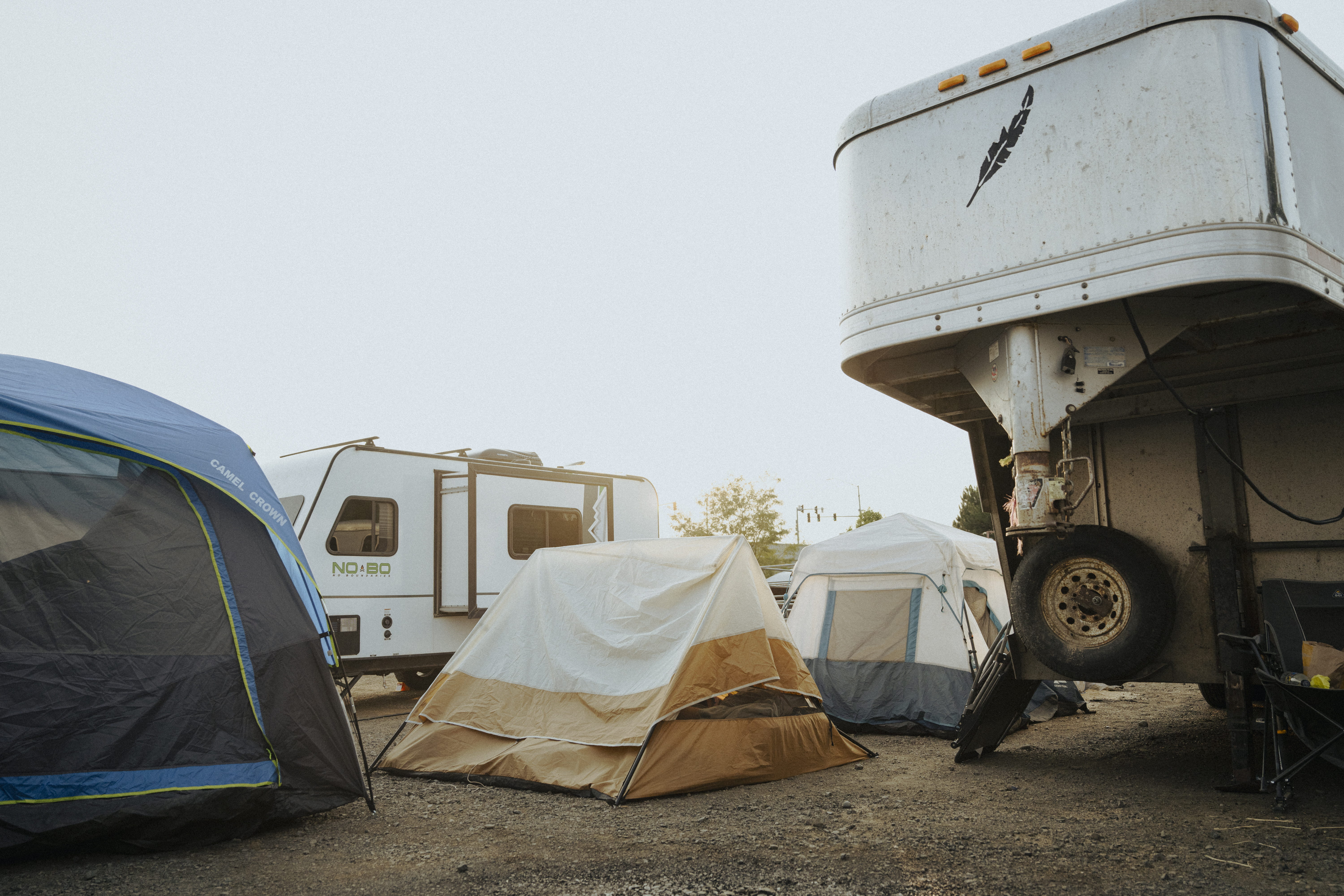
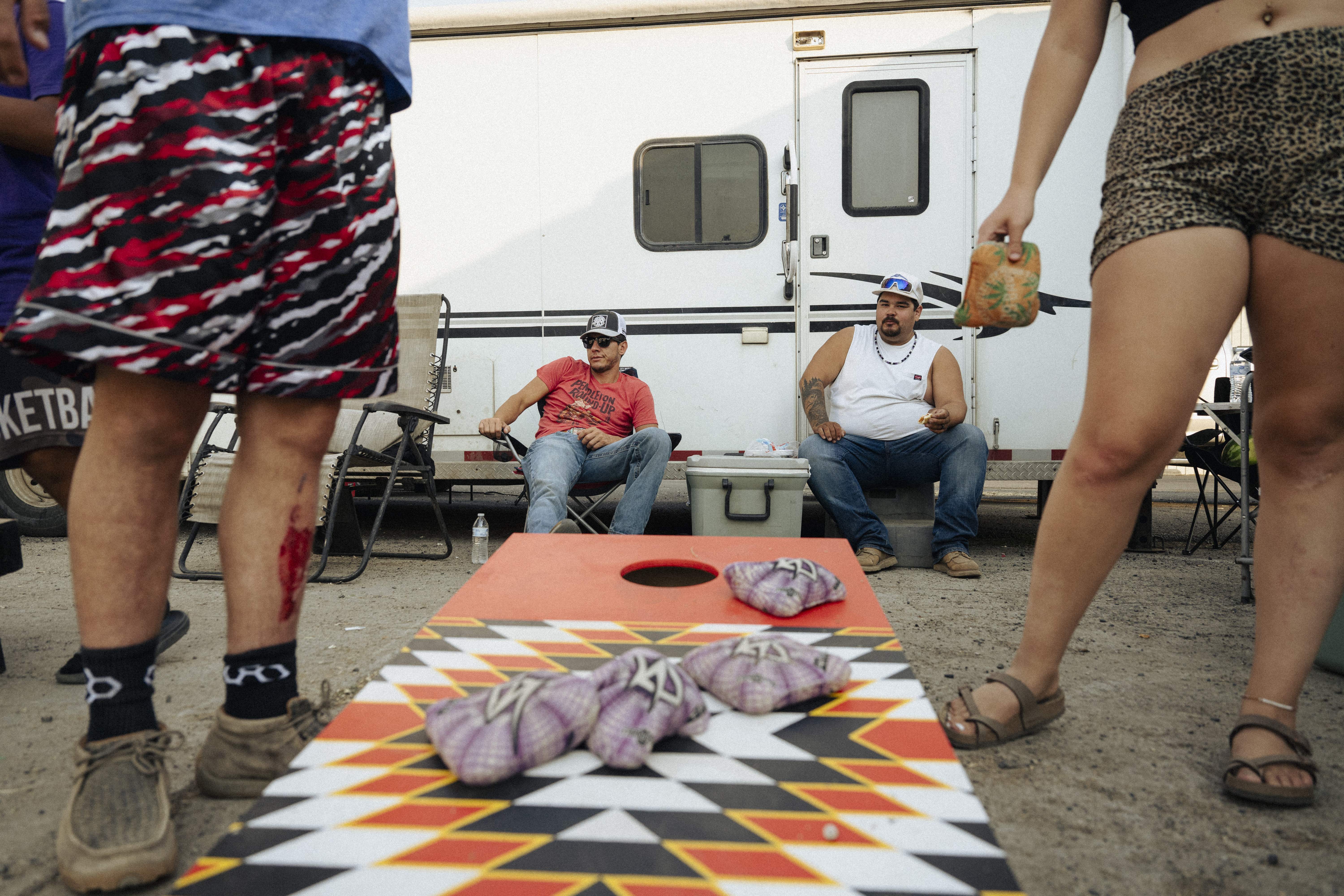
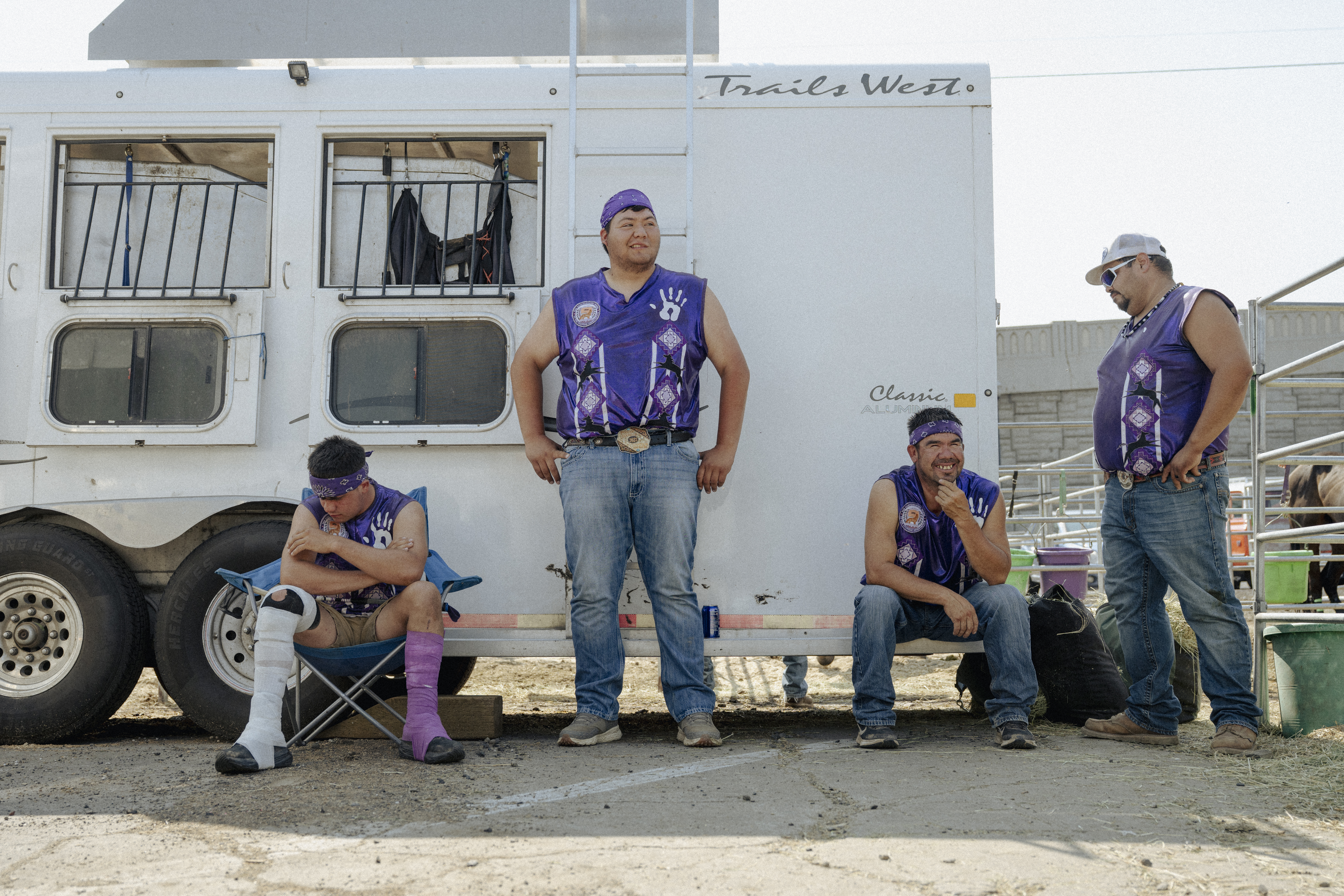
They may be enemies on the track, but you can see and feel the comradery between these fierce competitors off the track. All summer long they find themselves at the same rodeos, pow-wows, county fairs, and other events. In Pendleton, they are sequestered in the back corner of the parking lot, and it feels a bit like circus camp: kids riding around on unicycles and bikes, horses being led around the lot, tents and cots set up under tarps and trailers. There was a costume party, a cornhole tournament, and different teams sharing pizza. “We got eight teams from the Colville Tribe here and any one of them could win it. We run against each other, but really we’re one big family.” Tiny Williams.
As Kamiuse puts it “We compete to see who is the better tribe. Everybody that’s part of Colville, if I'm Colville blood, they’re my family, blood or not. If a Colville member wins it, we all win it. We don’t share no prize, but we share the pride.”
The finals of the 2025 Indian Relay at the Pendleton Round-up consisted of four teams from the Colville Tribe — they all won.